


Most people don’t think much about their HVAC system until something goes wrong. But the truth is, your heating and cooling setup often gives you warning signs before it stops working altogether. If you notice anything odd, it’s usually a good idea to get HVAC System Maintenance before things get worse. Catching problems early can help you avoid expensive repairs and keep your house comfortable all year long. Here are five signs your HVAC system might be asking for a little attention.
Key Takeaways
- Strange sounds like banging or screeching from your HVAC system are a clear sign something needs checking.
- If the air coming from your vents feels weak, your system could be struggling and need maintenance.
- A sudden rise in your energy bills without any change in usage can mean your HVAC is working harder than it should.
- Bad smells coming from your vents—whether musty or burnt—usually mean something inside your system needs to be cleaned or fixed.
- If you’re calling for repairs more often, your HVAC system might need a tune-up or even be nearing the end of its life.
1. Unusual Noises
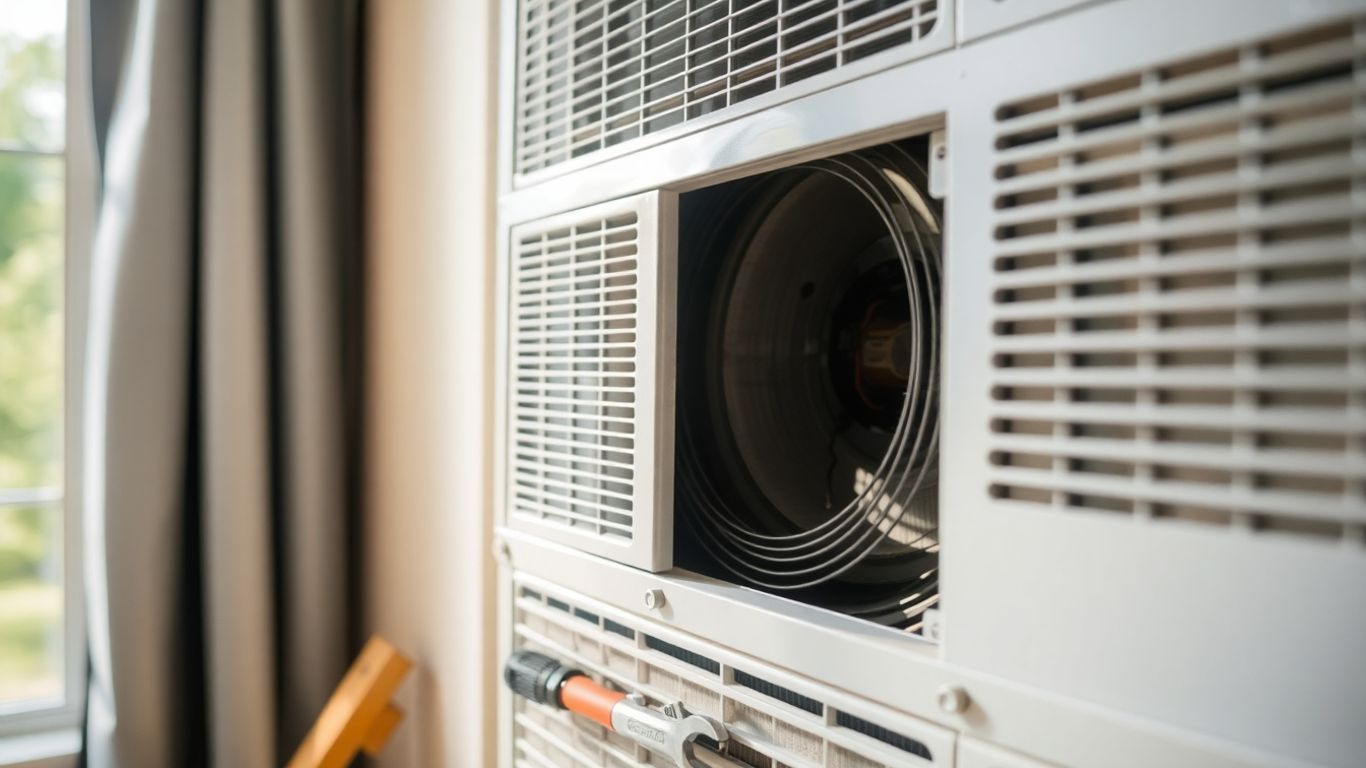
Ever noticed your HVAC suddenly start making strange sounds out of nowhere? Unusual noises are often your first warning that something isn’t right inside your heating or cooling system. If your ears are picking up more than just the usual hum, pay close attention to the type of sound—because each one can signal a different underlying problem.
Some common noises to listen for:
- Banging or clanking: These might mean loose or broken parts are knocking around inside your unit.
- Squealing or screeching: Often points to an issue with the motor or a slipping fan belt that could need replacing soon.
- Grinding: This usually signals worn-out bearings that could do more damage if ignored.
- Buzzing or humming: Sometimes a sign of electrical issues or a compressor about to fail.
- Whistling: Usually means you’ve got some kind of leaky duct or a blocked airway.
When odd noises pop up, that’s your cue to call a technician before a small problem turns into a breakdown.
It’s easy to brush off these sounds as harmless, but catching them early can save you time, money, and prevent a really uncomfortable summer or winter. So, the next time your HVAC starts its weird symphony, don’t just turn up the TV—take note and act quickly.
2. Weak Airflow
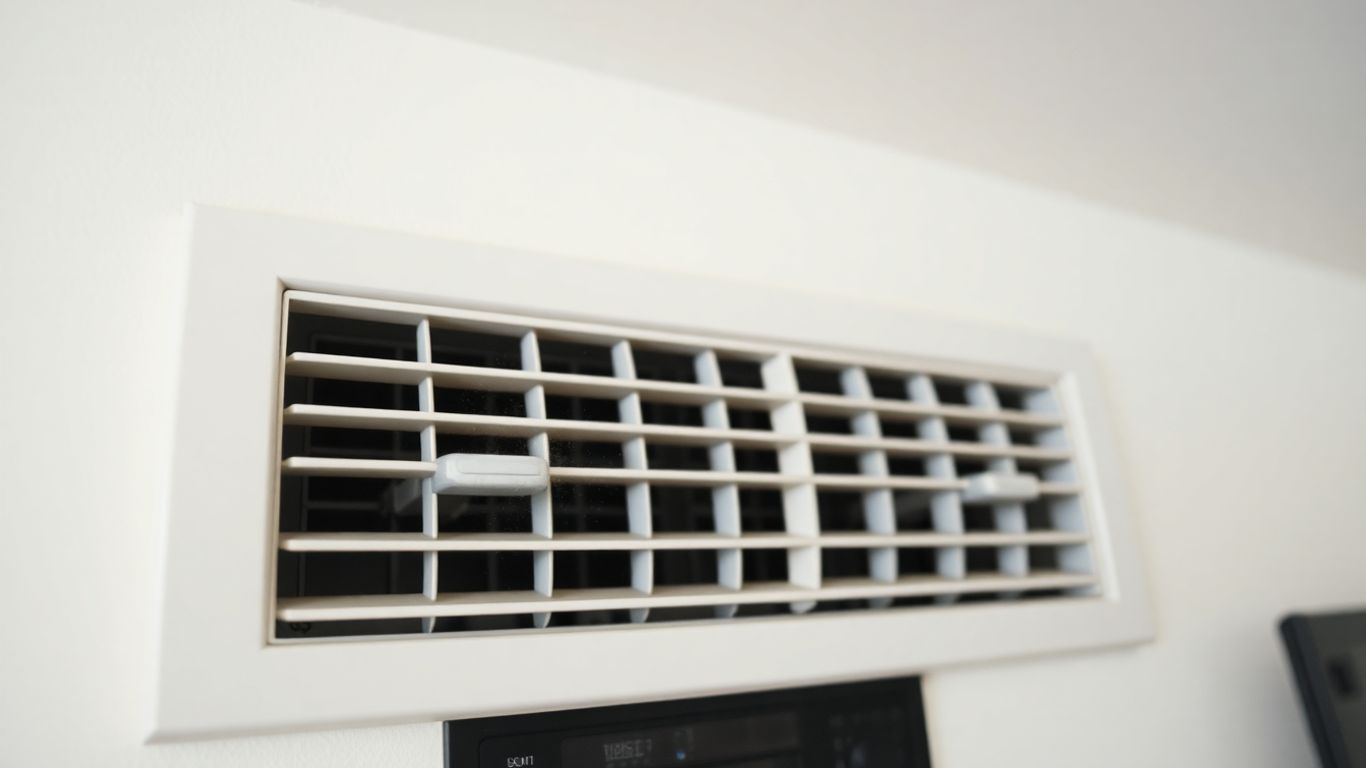
Have you found yourself standing right in front of an air vent, expecting that refreshing breeze, only to feel a sad, barely-there puff of air? Weak airflow is one of the most obvious clues your HVAC system is struggling. Yet, it’s easy to miss if you’re not regularly checking every vent in the house. This isn’t just about comfort—weak airflow usually means something deeper is going on. Maybe the blower motor is failing, maybe there’s a blocked duct somewhere, or perhaps your air filter is so full of junk it’s turned to stone. Even dirty coils or leaky ductwork can throw a wrench into things.
Here are some things to look out for if your airflow feels weak:
- Rooms that are stuffy or never seem to reach the right temperature
- Vents that barely push out air, even when the HVAC is running
- Dust building up more quickly because air isn’t circulating properly
If you’ve already swapped out your air filter and the problem is still hanging around like a bad smell, it’s probably time for maintenance. A professional technician can check for issues that aren’t so obvious, like blockages hidden inside your ductwork or electrical problems with the blower.
Staying on top of airflow issues now could save you from dealing with a full-blown system breakdown—or sky-high energy bills—later.
3. Rising Energy Bills
Have you noticed your energy bill creeping up each month, even though you haven’t changed how you use your HVAC? A sudden jump in your utility costs is often the system’s way of waving a red flag. When an HVAC begins to work harder just to keep your home comfortable, it sucks up more power—and trust me, your wallet will notice.
Common reasons for these higher bills include:
- Dirty or clogged filters making your HVAC run overtime
- Worn-out motors or belts causing the system to labor more
- Leaky or poorly sealed ductwork
- An aging unit losing its efficiency
- Faulty thermostats sending mixed signals
To spot the trend, track your last few monthly statements. A quick comparison like the table below can be eye-opening:
| Month | kWh Used | Energy Bill ($) |
|---|---|---|
| May | 900 | 150 |
| June | 930 | 160 |
| July | 1,020 | 185 |
If your energy bills keep climbing for no good reason, your HVAC may be fighting a losing battle. Ignoring the signs won’t make things better—it might just cost you more in the long run.
It’s a good idea to have a professional take a look as soon as you spot those changes. Fixing small issues early can save you from a bigger headache later.
4. Foul Odors
So, you’re walking through your living room and get hit with a weird, musty smell. Maybe it’s a little bit like dirty socks, or worse, something chemical or even burning. If your HVAC system starts giving off odd odors, it’s definitely not something to ignore. That smell might seem harmless, but it can signal a serious problem inside your unit.
Here are some of the scents you might notice and what they could mean:
- Musty or moldy smells: Often caused by moisture buildup, leading to mold or mildew inside the ducts or unit. This isn’t just gross; it’s awful for anyone with allergies.
- Burning or electrical odors: Can indicate overheating wires or components—a potential safety risk.
- Chemical smells: Occasionally a sign of a refrigerant leak. This can harm both your system and the air quality in your home.
If the air in your home never seems fresh and you can’t find the source, it might be your HVAC quietly warning you that maintenance is overdue.
Apart from being unpleasant, foul HVAC odors are often a sign of growth (like bacteria or fungus), electrical faults, or refrigerant issues. Don’t just mask them with room spray—changing your air filter or calling a technician is the way to go. Healthy air really is a maintenance call away.
5. Frequent Repairs
If you’re calling for HVAC service more than once or twice a season, your system is trying to tell you something. Needing repairs all the time is a red flag that things are wearing out faster than they should.
Here are a few common reasons frequent repairs pop up:
- Internal parts, like motors or compressors, are breaking down repeatedly.
- The system struggles to maintain comfortable temps, so components overwork and break.
- Age has caught up—older units just can’t keep up like they used to.
When you add up the cost and hassle, replacing your HVAC can make better sense than squeezing more life from it. Sometimes, the money spent on repairs in a single year could cover a big chunk of a newer, more reliable system.
Recurring HVAC fixes eat up your time and budget, and they’re usually a sign you should think about a long-term solution instead of patching problems as they come up.
Wrapping Up: Don’t Wait for a Total Breakdown
So, if your HVAC is making weird noises, blowing weak air, or just not keeping you comfortable, don’t brush it off. These little problems can turn into big headaches if you ignore them. Regular maintenance can save you money and help you avoid those emergency calls in the middle of a heatwave or cold snap. If you notice any of the signs we talked about, it’s probably time to call in a pro. Taking care of your HVAC now means you can relax later, knowing your home will stay cozy no matter what the weather does outside.
Frequently Asked Questions
How often should I have my HVAC system checked?
It’s best to have your HVAC system checked by a professional at least once a year. Regular check-ups help catch small problems before they turn into big ones.
What can cause my HVAC to make strange noises?
Strange noises like banging, squealing, or rattling can come from loose parts, worn-out belts, or problems with the motor. These sounds usually mean something needs to be fixed soon.
Why is my air conditioner blowing weak air?
Weak airflow can be caused by a dirty filter, blocked vents, or issues with the blower. Sometimes, it could mean a bigger problem with the system that needs a technician to look at it.
Is it normal for my energy bills to go up in summer or winter?
It’s normal for bills to go up a little when it’s really hot or cold outside. But if your bills are much higher than usual, your HVAC might be working too hard because of a problem.
What should I do if my HVAC smells bad?
If you notice musty or burning smells, try changing the air filter first. If the smell doesn’t go away, call a professional. Bad smells can mean mold or even electrical problems.
When should I replace my HVAC instead of repairing it?
If your HVAC needs repairs often, is over 10 years old, or your bills keep going up, it might be time to replace it. Newer systems work better and can save you money in the long run.
