


As the temperatures drop, our home heating systems work overtime. We often forget about them until something goes wrong. This article looks at some common heating problems we might face when it’s cold out and what we can do to get ahead of them. We’ll cover getting your system ready for winter and some issues that pop up during the coldest months.
Key Takeaways
- Checking and changing your furnace filter is a simple step that makes a big difference in how well your heating system works. A clean filter means better airflow and less strain on your equipment.
- Regular professional residential HVAC maintenance is a smart move. It helps catch small problems before they become big, expensive repairs, especially when you need your heat the most.
- Frozen condensate lines and thermostat issues are common winter heating headaches. Knowing how to spot and address these can save you from a cold house during a freeze.
Ensuring Your Heating System Is Ready For Winter
As the temperatures start to drop, we all want to feel confident that our heating systems will keep us warm and comfortable. Before the first real cold snap hits, it’s a good idea to take a look at what keeps your furnace running smoothly. We’ve found that a little preparation goes a long way in avoiding chilly surprises.
Furnace Filter Replacement For Optimal Airflow
One of the simplest, yet most overlooked, maintenance tasks is changing your furnace filter. A dirty filter can really restrict airflow, making your system work harder than it needs to. This not only wastes energy but can also lead to premature wear and tear on your equipment. Think of it like trying to breathe through a clogged nose – it’s just not efficient.
Here’s why keeping that filter clean matters:
- Better Air Quality: Filters trap dust, pollen, and other particles, so cleaner air circulates through your home.
- Improved Efficiency: When air flows freely, your furnace doesn’t have to strain, using less energy to heat your house.
- Extended System Life: Reduced strain on the blower motor and other components can help your furnace last longer.
We recommend checking your filter monthly and replacing it every one to three months, depending on the type of filter and your home environment (pets, allergies, etc.).
Importance Of Professional Residential HVAC Maintenance
While changing the filter is something we can all do, there are other checks that are best left to the pros. Scheduling a professional tune-up before winter really kicks in is a smart move. These technicians have the tools and knowledge to spot potential problems before they become big, expensive issues.
During a professional maintenance visit, they typically perform a thorough inspection, which might include:
- Checking electrical connections and tightening them.
- Lubricating moving parts.
- Testing the thermostat’s accuracy.
- Inspecting the heat exchanger for cracks or damage.
- Cleaning the blower components.
- Verifying the gas pressure and burner operation.
Getting this kind of service done annually can prevent breakdowns during the coldest parts of the year. It’s like taking your car in for its regular service – it just runs better and is less likely to leave you stranded.
Don’t wait until your system is making strange noises or stops producing heat altogether. A proactive approach to HVAC maintenance can save you a lot of discomfort and money down the line.
Addressing Common Winter HVAC Issues
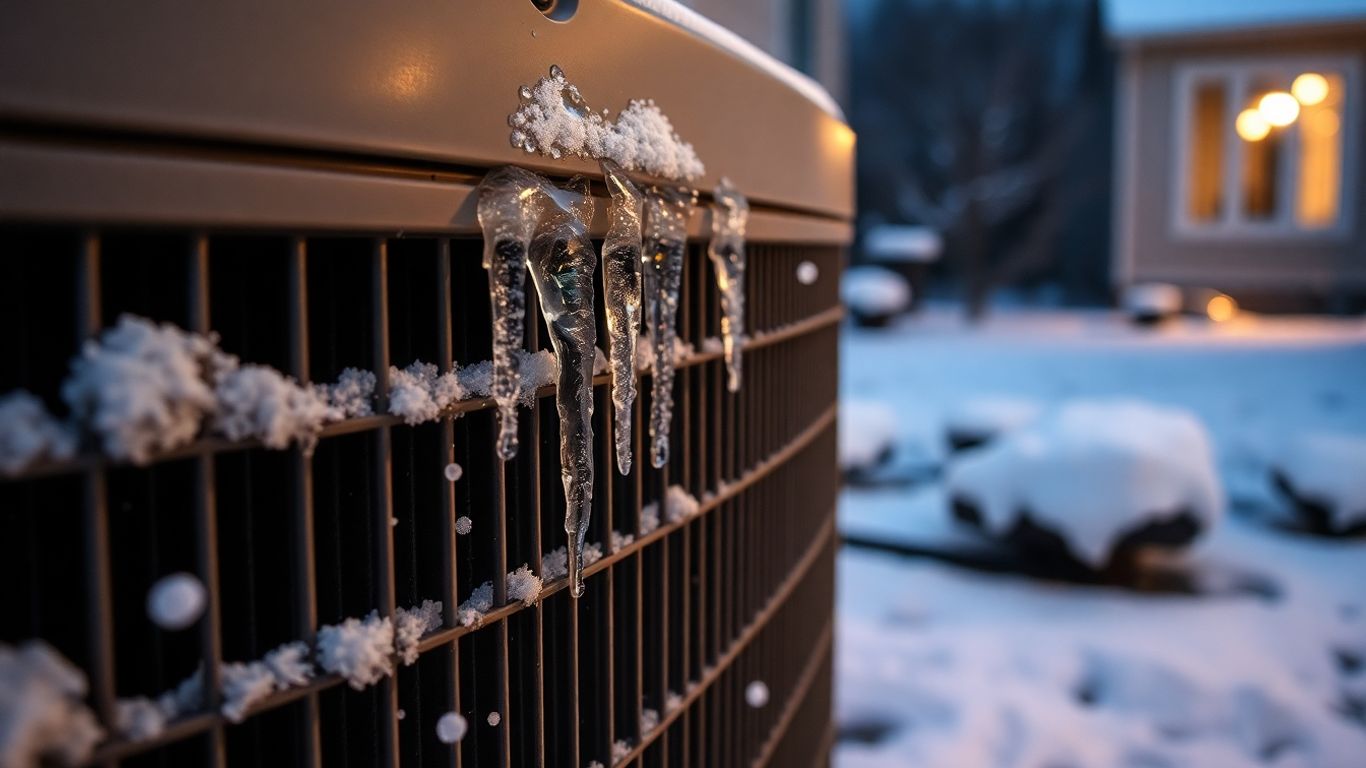
As the temperatures drop, our heating systems work overtime. Sometimes, this heavy use can lead to a few common problems we see popping up. We want to make sure you’re aware of these so you can get them sorted out quickly and stay warm.
Frozen Condensate Lines and Their Solutions
One issue we often encounter is a frozen condensate line. This happens when the moisture your air conditioner (or sometimes a high-efficiency furnace) removes from the air freezes up in the line that’s supposed to drain it away. If this line gets blocked with ice, your system might shut down to prevent damage. You might notice water pooling around your indoor unit or hear gurgling noises.
Here’s what we typically do to fix it:
- Locate the condensate line: This is usually a PVC pipe running from your indoor unit to a drain or outside.
- Thaw the ice: We might use a wet/dry vacuum to suck out the water, or sometimes a special tool to gently warm the line and melt the ice. In some cases, we might need to access the line from the outside if it’s frozen there.
- Prevent future freezing: We can install a condensate line heater or ensure the line has a proper downward slope to help water drain better. Sometimes, just clearing out any blockages is enough.
Don’t try to pour boiling water down the line yourself, as this can sometimes crack the PVC pipe. It’s best to let a professional handle the thawing.
Thermostat Malfunctions During Cold Snaps
Another headache we see is a thermostat that just isn’t cooperating when we need it most. A faulty thermostat can leave you in the cold, even if your heating system itself is working fine. Sometimes, it’s as simple as dead batteries, but other times, the wiring might be loose, or the thermostat itself could be failing.
When a thermostat acts up during a cold snap, we check a few things:
- Batteries: If your thermostat uses batteries, this is the first and easiest thing to check. Replace them with fresh ones.
- Settings: Make sure it’s set to ‘Heat’ and not ‘Cool’ or ‘Off’. Sometimes, accidental bumps can change the settings.
- Wiring: For hardwired thermostats, we’ll check for any loose connections. This is something best left to a professional.
- System Reset: Occasionally, a simple reset of the thermostat can fix minor glitches.
If your thermostat is old, it might be time to consider an upgrade. Newer models are more reliable and can even offer smart features to help you manage your home’s temperature more efficiently. We can help you choose one that fits your needs and budget.
If these simple checks don’t solve the problem, it’s likely time to call us in. We can diagnose whether the issue is with the thermostat itself or if it’s a sign of a larger problem within your heating system.
Wrapping Up
So, we’ve gone over some of the common heating issues that pop up when the weather gets cold. It’s easy to forget about our HVAC systems until something goes wrong, and then suddenly we’re freezing. We hope this helps you spot potential problems early. A little bit of attention now can save us a lot of hassle and cold nights later. If you’re not comfortable tackling these yourself, remember there are pros who can help get your system running right. Staying warm is important, after all.
Frequently Asked Questions
How often should we change our furnace filter?
We recommend checking your furnace filter every month and replacing it at least every three months. If you have pets or live in a dusty area, you might need to change it even more often to keep your system running smoothly and your air clean.
What should we do if our heater suddenly stops working when it’s really cold outside?
First, check your thermostat to make sure it’s set to ‘heat’ and the temperature is set higher than the room’s current temperature. Sometimes, a simple reset or a quick check of the circuit breaker can solve the problem. If these steps don’t help, it’s best to call a professional technician right away, as a frozen line or another issue might be the cause.
Is it really necessary to have our heating system looked at by a professional before winter?
Yes, absolutely! Think of it like a yearly check-up for your car. A professional tune-up helps us find small problems before they become big, expensive ones. They can make sure everything is working safely and efficiently, saving us from uncomfortable breakdowns and potentially higher energy bills throughout the cold season.
