


When we think about our heating and cooling bills, it’s easy to feel like there’s not much we can do to keep them down. But switching to energy efficient HVAC systems can actually make a big difference for both homes and businesses. We might not notice the changes right away, but over time, the savings really add up. Plus, these systems can make our spaces more comfortable and even help the environment. Let’s look at how making this switch could help us all save money and live better.
Key Takeaways
- Energy efficient HVAC systems can lower monthly energy bills for both homes and businesses.
- Upgrading may cost more at first, but the long-term savings often outweigh the initial expense.
- Better HVAC systems can improve indoor air quality and make our spaces more comfortable.
- There are often rebates and incentives available to help with the cost of upgrading.
- Regular maintenance and using smart thermostats help us get the most out of our HVAC systems.
Initial Investment Versus Long-Term Savings
HVAC upgrades can make us wonder if spending more now is really worth it. While these systems can be pricey to install, energy efficient models usually save us much more money over time. The balance between upfront cost and future savings is key for homes and businesses alike. Let’s look at how this plays out in real life.
Evaluating Upfront Costs
When we’re thinking about a new HVAC system, it’s important to count the total starting expenses, including:
- The cost of the HVAC unit
- Installation fees
- Extras like smart thermostats or advanced filters
Sometimes, the sticker shock is real. Energy efficient systems tend to cost more than standard models. However, these costs should be compared to what we’d spend month-to-month on older, less efficient systems.
Calculating Energy Bill Reductions
Once an energy efficient system is in place, the savings begin to show up. We often find our monthly bills shrinking. Here’s a quick example for context:
| System Type | Average Monthly Cost | Estimated Annual Energy Savings |
|---|---|---|
| Standard HVAC | $180 | $0 |
| Energy Efficient HVAC | $130 | $600 |
Those numbers can swing higher or lower depending on our building size and local energy rates. But overall, the drop in utility costs is noticeable.
Expected Payback Periods for HVAC Upgrades
So, how long until the new system "pays for itself"? Here’s how to think about it:
- Calculate the price difference between old and new systems.
- Total up our yearly energy savings.
- Divide the extra upfront cost by our yearly savings for a rough payback estimate.
Usually, most folks see a payback period between 3 and 7 years.
It’s not always easy to part with a big chunk of change up front, but seeing our bills drop each month helps remind us we made the right choice.
Key Benefits Beyond Cost Reduction
The perks of energy efficient HVAC systems don’t stop at saving us money. They go a lot further, touching things we care about day-to-day—like the air we breathe, the planet we share, and even the worth of our property. Let’s take a look at these key areas where high-efficiency systems make a real difference.
Enhancing Indoor Air Quality
Most of us spend a lot of time indoors. A good HVAC system can do wonders for keeping our indoor air fresh and healthy. Here are a few ways energy efficient units pull that off:
- They filter out dust, pollen, and other small bits floating around inside.
- Many systems are built to control moisture, which helps keep mold down.
- Advanced air filters and ventilation help handle odors or smoke.
We’ve noticed that people with allergies notice the difference pretty quickly after upgrading their HVAC. Breathing often feels easier, and the place just smells cleaner.
Reducing Environmental Impact
Using less energy isn’t just about the bills—it’s also about our carbon footprint and how much we take from the environment. Here’s what happens when we make the switch:
| Standard System | Energy Efficient System |
|---|---|
| More energy used per year | Up to 30% less energy use |
| Higher carbon output | Fewer emissions released |
| Old refrigerants | Modern, safer refrigerants |
A new HVAC system, if chosen wisely, immediately lowers our impact on the environment just by running smarter and cleaner.
Boosting Property Value
Upgrading isn’t just an expense—it can pay back when we go to sell. Here’s how efficient HVAC bumps our home or building’s value:
- New buyers look for energy savings, plain and simple.
- Outdated systems can turn people away or lower offers.
- Lower running costs are a big selling point.
Sometimes, the investment we make today makes a real difference down the line—especially when it’s time to put up that For Sale sign.
Best Practices for Maximizing HVAC Efficiency
Routine Maintenance and Inspections
Let’s be honest, we’d all rather ignore our HVAC system until something breaks. But regular check-ups are non-negotiable if we want the system to do its job well. Simple steps like changing air filters every few months keep air flowing and help the equipment run smoothly. There’s more to it, though:
- Schedule professional HVAC tune-ups at least once a year
- Clean vents and registers to stop dust from blocking airflow
- Check refrigerant levels and electrical connections
By putting in a little effort throughout the year, we can dodge big repair bills down the road.
Programmable and Smart Thermostats
We all want comfort without sky-high bills, and that’s where programmable thermostats make sense. With these, we can set up a schedule so the system doesn’t run when the house or business is empty. Even better, smart thermostats adjust automatically and learn our habits. Here are a few ways they help:
- Cut down on wasted energy by changing temps when nobody’s home
- Control settings remotely through a phone app
- Get instant feedback on how settings affect usage
It’s a minor upgrade that can save us a lot of money year after year.
Improving Home or Building Insulation
Insulation matters more than we might think. If a building lets heat in or out too easily, even the best HVAC system will struggle. To get the most from any system, we should:
- Add insulation to attics, walls, and crawl spaces
- Seal gaps around doors and windows
- Use heavy curtains or shades to keep heat in during winter and out in summer
| Insulation Area | Potential Energy Savings |
|---|---|
| Attic | Up to 15% |
| Walls | Up to 10% |
| Doors/Windows | 5–10% |
If we take action on these points, our HVAC system can work less and last longer, and our bills should drop too.
Upgrading to Energy Efficient HVAC Systems
When it comes to getting a new HVAC, we need to focus on much more than just buying what’s biggest or cheapest. Replacing old systems with energy efficient options might feel like a hassle at first, but it’s worth thinking through carefully.
Identifying When to Replace Old Units
We shouldn’t wait until our system breaks down completely. Some signs it’s time to look at a new HVAC include:
- Energy bills keep rising, even with normal use.
- Rooms feel unevenly heated or cooled.
- The system is over 10-15 years old and repairs are getting pricey.
- Odd noises, smells, or dust coming from the vents.
Upgrading before a total breakdown gives us space to compare options calmly and catch special deals, instead of rushing when it’s an emergency.
Popular System Types for Homes and Businesses
Choosing an energy efficient system isn’t one-size-fits-all. Here are a few common choices:
- Split and ductless mini-split systems – great for both old houses and offices without room for ducts.
- Heat pumps – these work for both heating and cooling.
- Variable refrigerant flow (VRF) systems – more common in larger office spaces.
- Packaged systems – handy for smaller commercial spaces.
| System Type | Best For | Energy Efficiency Potential |
|---|---|---|
| Split/Mini-Split | Homes/offices | High |
| Heat Pump | Homes/offices | High |
| VRF | Large businesses | Very high |
| Packaged System | Condos/businesses | Good |
Navigating Rebates and Incentives
We shouldn’t overlook rebates and incentives—they can really cut total expense. Here’s what to do:
- Check local and federal programs for rebates on efficient upgrades.
- Ask utility companies about rebates or reduced-rate loans.
- Research manufacturer deals (these pop up seasonally—fall and spring are common times).
By stacking these incentives, we can often trim a chunk off the final price tag. It takes a little paperwork, but we’re usually better off in the end.
Common Challenges and Solutions
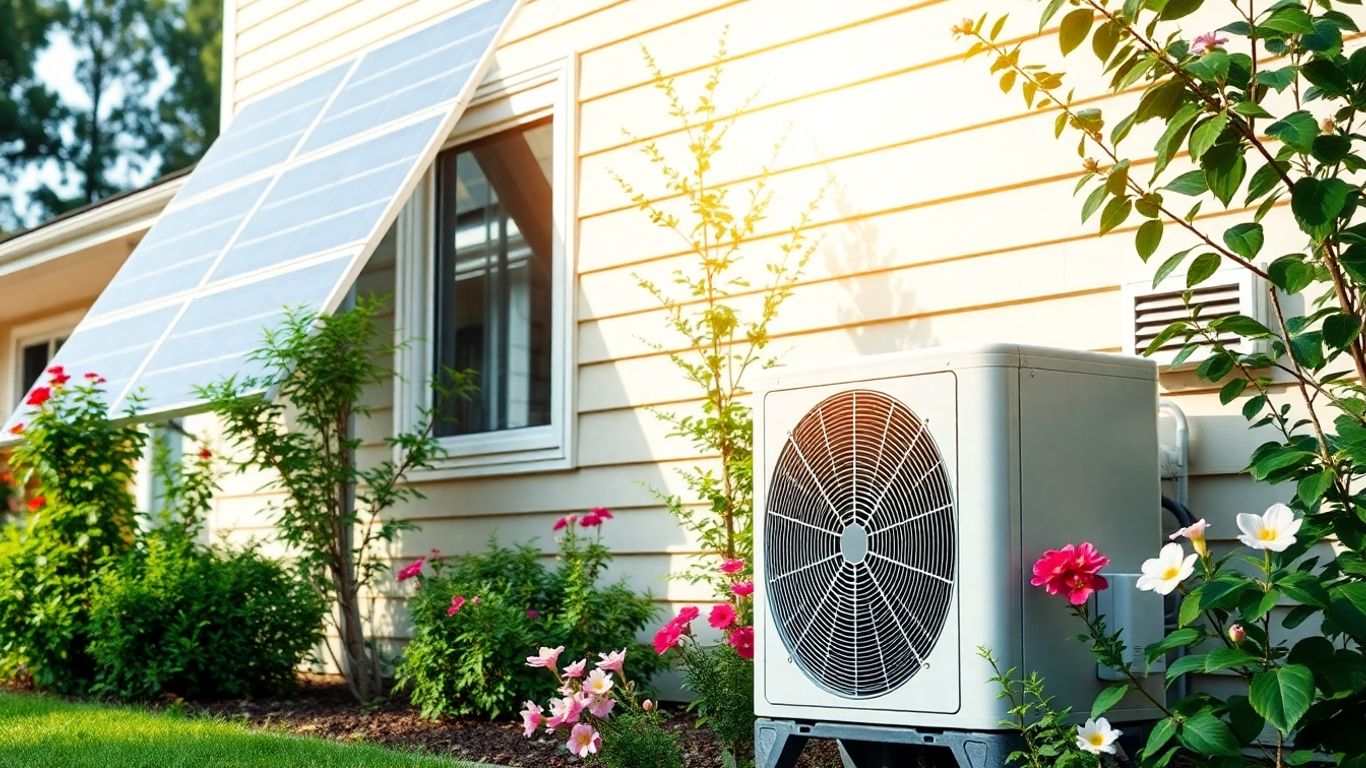
Even though upgrading to an energy efficient HVAC system sounds nice, there are a few roadblocks we often run into. Let’s talk through some of the most common problems and what we can do about them.
Overcoming Installation Barriers
Sometimes just getting the new system in place is way harder than we expect. Older homes or buildings aren’t always set up for the latest equipment. We might face things like:
- Tight attic or basement spaces that don’t fit new units well
- Electrical systems that aren’t updated for newer, more efficient machines
- Building codes that require extra steps
A good solution is to schedule a thorough site inspection before picking your unit. That way, we’re not surprised by unexpected costs or modifications during the install. In some cases, we may need to budget for electrical work or even minor renovations, but it’s usually manageable if we plan early.
Avoiding Performance Pitfalls
It’s frustrating when a shiny new HVAC system doesn’t work as expected. Often, these issues come down to:
- Choosing the wrong unit size for our space
- Poor ductwork layout or leaky ducts
- Skipping programming and calibration steps
We can avoid most problems by working with professionals who measure our space and double-check system specs. Correct sizing and setup makes a big difference in both comfort and efficiency.
Sometimes, even the best equipment won’t help if our ductwork is losing air behind the walls. It’s a good idea to ask the installer about a duct test if our system seems underperforming.
Choosing the Right Contractor
Who we hire matters a lot more than we think. If we pick the first contractor we find, we might end up with a poor installation and not see the savings we want. Here’s what we should look for:
- License and insurance (always check!)
- Experience with energy efficient models
- Solid references or past customer reviews
Don’t worry about shopping around. It’s worth getting more than one quote and asking plenty of questions about their process. If we do our homework, upgrades tend to go much smoother—and we’ll be happier with the results.
Wrapping Up: Why Energy Efficient HVAC Matters
So, after looking at all the ways energy efficient HVAC systems can help us save money, it’s pretty clear they’re worth thinking about. We all want to keep our homes and businesses comfortable, but nobody likes high bills. By switching to newer, more efficient systems, we can cut down on energy use and see the difference in our monthly costs. Plus, it’s good for the environment, which is a nice bonus. If we’re planning to upgrade or replace our HVAC, it makes sense to look at the energy ratings and maybe talk to a professional. In the end, a little effort now can mean a lot of savings later.
Frequently Asked Questions
What makes an HVAC system energy efficient?
An energy efficient HVAC system uses less electricity or gas to heat and cool our spaces. It often has features like variable speed motors, better insulation, and smart controls that help save energy.
How much money can we save by switching to an energy efficient HVAC system?
We can usually save up to 20-40% on our heating and cooling bills when we upgrade to an energy efficient system. The exact amount depends on our local climate, the size of our home or business, and how well our building is insulated.
Is it worth paying more upfront for an energy efficient HVAC system?
Yes, even though energy efficient systems may cost more at first, the savings on our energy bills over time usually make up for the higher price. Most people see a payback within a few years.
How can we keep our HVAC system running efficiently?
We should schedule regular check-ups, change air filters often, and use a programmable thermostat. These steps help our system work its best and last longer.
Are there rebates or incentives for buying energy efficient HVAC systems?
Yes, many governments and utility companies offer rebates or tax credits to help us afford energy efficient upgrades. It’s a good idea to check local programs before we buy a new system.
When should we think about replacing our old HVAC system?
If our system is more than 10-15 years old, needs lots of repairs, or our energy bills keep going up, it’s probably time to consider a new, more efficient model.
