


Heating and cooling your home takes up a big chunk of your utility bills every year. If you’ve ever wondered why your energy costs seem to keep climbing, your HVAC system might be to blame. Energy-Efficient HVAC Systems are designed to do the same job as older units but use less power, which means you save money month after month. Upgrading might seem like a hassle at first, but the long-term savings and comfort are worth it. Let’s look at how these systems work, why old units cost more, and what you can do to make your home more efficient.
Key Takeaways
- Energy-Efficient HVAC Systems use less power, which helps lower your monthly bills.
- Older HVAC units often waste energy and can end up costing you more over time.
- Choosing the right system and making sure it’s installed properly are key to getting the most savings.
- Regular maintenance, like changing filters and checking ducts, keeps your system running well and avoids expensive repairs.
- Government rebates and tax credits can make upgrading to an energy-efficient system more affordable.
Understanding Energy-Efficient HVAC Systems and How They Reduce Costs
How Modern Technology Improves Efficiency
Modern HVAC systems use far less energy compared to older setups—thanks to smart design and advanced components. For instance, variable-speed motors and compressors match their output to your specific heating or cooling needs instead of always running full blast. This way, the system only uses what’s necessary. Other updated features like improved heat exchangers and tighter seals stop energy from drifting away into thin air.
The biggest breakthrough is that these high-tech systems can keep you comfortable without burning through your budget.
- Variable-speed fans adapt their speed, preventing waste
- Advanced refrigerants improve heating and cooling without overworking the unit
- Smart controls let you program, monitor, and adjust usage from anywhere
Key Features of Energy-Efficient HVAC Systems
When you look for energy-efficient HVAC equipment, a few features stand out that push them miles ahead of standard setups:
- High SEER ratings (Seasonal Energy Efficiency Ratio) for air conditioners and heat pumps – the higher, the better
- Programmable or smart thermostats that help you maintain even temps automatically
- Multi-stage or variable-speed compressors, so your system is not just ON or OFF
- Tight ductwork and insulation prevent leaks, helping your system do less work
| Feature | Benefits |
|---|---|
| High SEER/AFUE Ratings | Lower energy use per heating/cooling cycle |
| Variable-Speed Motors | Quiet operation and more precise temperature |
| Smart Thermostat Integration | Anytime control, automatic energy savings |
| Improved Filtration | Better air quality, less allergen buildup |
Environmental and Financial Benefits of Upgrading
If you’re still running an old HVAC system, swapping it out can feel like a big leap. But there’s more upside than you might expect:
- Lower monthly energy bills add up fast, making a new system pay for itself over time
- Using less energy also means shrinking your carbon footprint, which feels good and can boost your home’s value
- High-efficiency units tend to last longer and need fewer repairs, saving headaches (and cash) down the road
Upgrading to an energy-efficient HVAC system isn’t just a short-term fix—it’s a long-term way to keep more money in your wallet while helping the environment.
Why Outdated HVAC Systems Lead to Higher Utility Bills
Older HVAC systems quietly ramp up your monthly expenses without you even noticing until the bills arrive. As heating and cooling units age, their internal parts wear down, causing them to operate less efficiently and draw more power just to keep your space comfortable. Even the most well-built machines can’t fight the effects of time and constant use. Parts become clogged with dust, refrigerant leaks can develop, and outdated technology just isn’t as efficient as what you’ll find in a newer system.
- An old motor needs more electricity to spin fans and compress refrigerant.
- Worn seals and gaskets lead to air leaks, wasting heated or cooled air.
- Outdated thermostats make temperature control less accurate, resulting in wasted energy.
When your system is working overtime just to maintain normal temperatures, your energy bills will keep creeping up, month after month.
Signs Your HVAC System Is Wasting Energy
Outdated systems often give off subtle hints that they’re using too much energy. The trick is catching these signals early so you’re not blindsided by a shocking power bill. Here are a few common signs:
- Uneven heating or cooling throughout your home
- Strange noises or louder operation than usual
- System cycles on and off more frequently
- Rising energy bills even with normal usage patterns
- Your equipment is over 10–15 years old
Addressing these signs early can prevent bigger problems, but often, the underlying cause is simply old, inefficient machinery.
Calculating Long-Term Savings from Upgrades
It’s easy to wonder if replacing an old HVAC system is worth the money upfront. Here’s a quick look at how energy use compares between outdated and efficient systems:
| System Age | Annual Energy Use* | Estimated Annual Cost** |
|---|---|---|
| 15+ years old | 100% | $1,200 |
| New (Efficient) | 70–80% | $840–$960 |
*Percent relative to an average old system
**Based on a typical U.S. household’s HVAC costs
Over a decade, you could pocket thousands of dollars just by updating your system. The initial investment is often paid back with these annual savings, and after that, it’s money back in your wallet year after year.
Choosing the Right Energy-Efficient HVAC System for Your Home
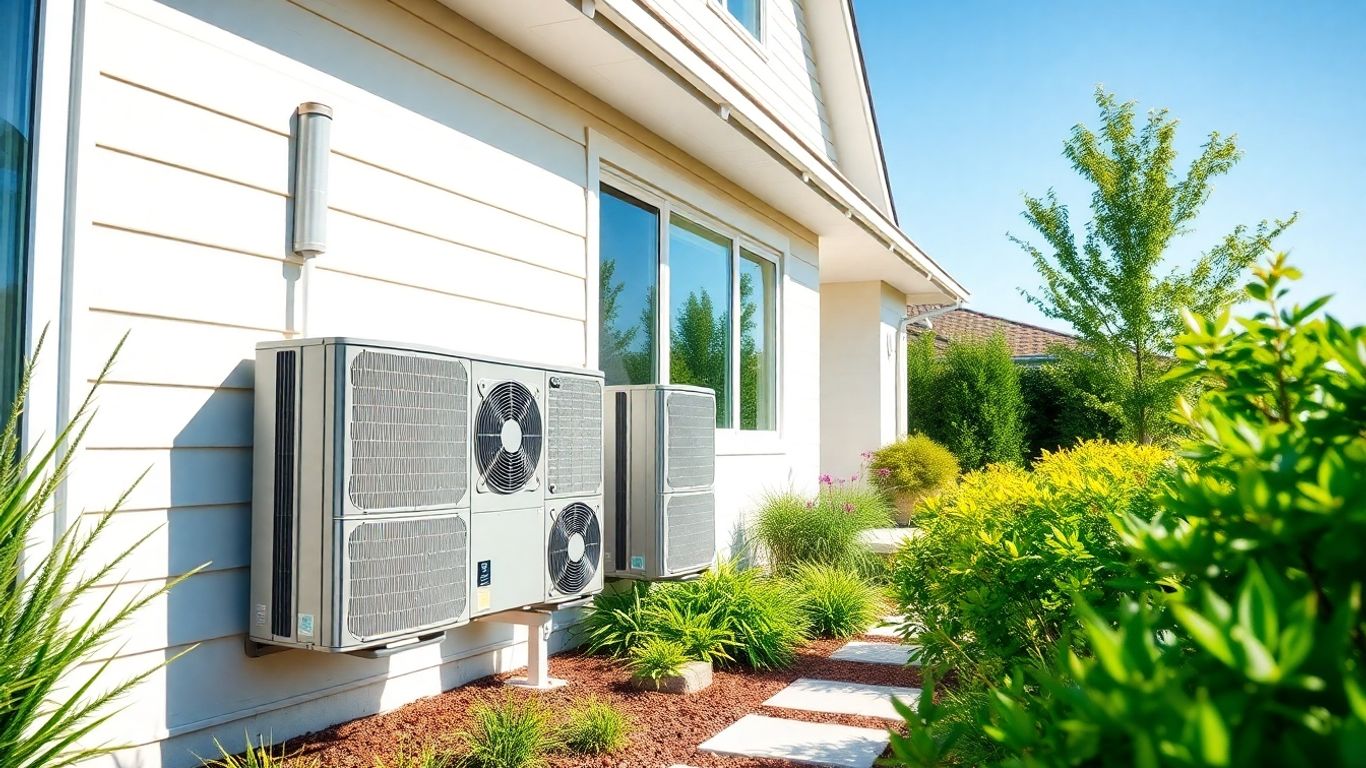
Selecting the right HVAC equipment for your home has become a lot less straightforward. With so many new systems and technology, it’s easy to feel overwhelmed when trying to balance cost, efficiency, and comfort. The good news is: with some clear criteria, you can avoid regret and start saving money from day one.
What to Look for in High-Efficiency Units
When shopping for a new energy-efficient HVAC system, focus on these main points:
- High SEER or AFUE ratings (more on those below)
- Variable-speed compressors or motors for smoother operation
- Zoned capability, so you can control temperatures in different rooms
- Noise level ratings—some modern units are quieter than ever
- Compatibility with smart thermostats or other automation systems
Efficiency isn’t just about mega numbers on the box; it’s about how well the unit fits your home’s needs. Sometimes a mid-range unit, installed perfectly, will save way more than a top-tier system installed poorly.
Comparing SEER and AFUE Ratings
Ratings are a big part of picking out an energy-efficient HVAC system. Here’s a simple breakdown:
| Type | What It Means | Typical Modern Range |
|---|---|---|
| SEER (AC) | Measures cooling efficiency | 14–26+ |
| AFUE (Gas Heat) | Measures furnace efficiency | 80%–98% |
- SEER (Seasonal Energy Efficiency Ratio) is for air conditioners and heat pumps. The higher the SEER, the less energy it uses for the same output.
- AFUE (Annual Fuel Utilization Efficiency) is for gas furnaces. 90% AFUE means 90% of the fuel turns into heat for your home.
If you live in a region with long, hot summers, prioritize a higher SEER. In colder climates, AFUE should be your guide.
Smart Thermostats and System Integration
Smart thermostats aren’t just trendy; they’re powerful money-savers. Here’s why:
- Learn and adapt to your habits for real savings
- Allow remote temperature control anywhere from your phone
- Provide detailed reports that help you spot wasteful patterns
Many efficient systems let you connect smart thermostats, humidifiers, air purifiers, and even voice assistants for total control. Always check for compatibility when upgrading.
A well-chosen energy-efficient HVAC system does more than cut monthly bills. It can lead to better comfort, cleaner air, and peace of mind—without mysterious energy spikes or noisy breakdowns at the worst times.
The Importance of Professional Installation and Ongoing Maintenance
How Installation Quality Affects Energy Efficiency
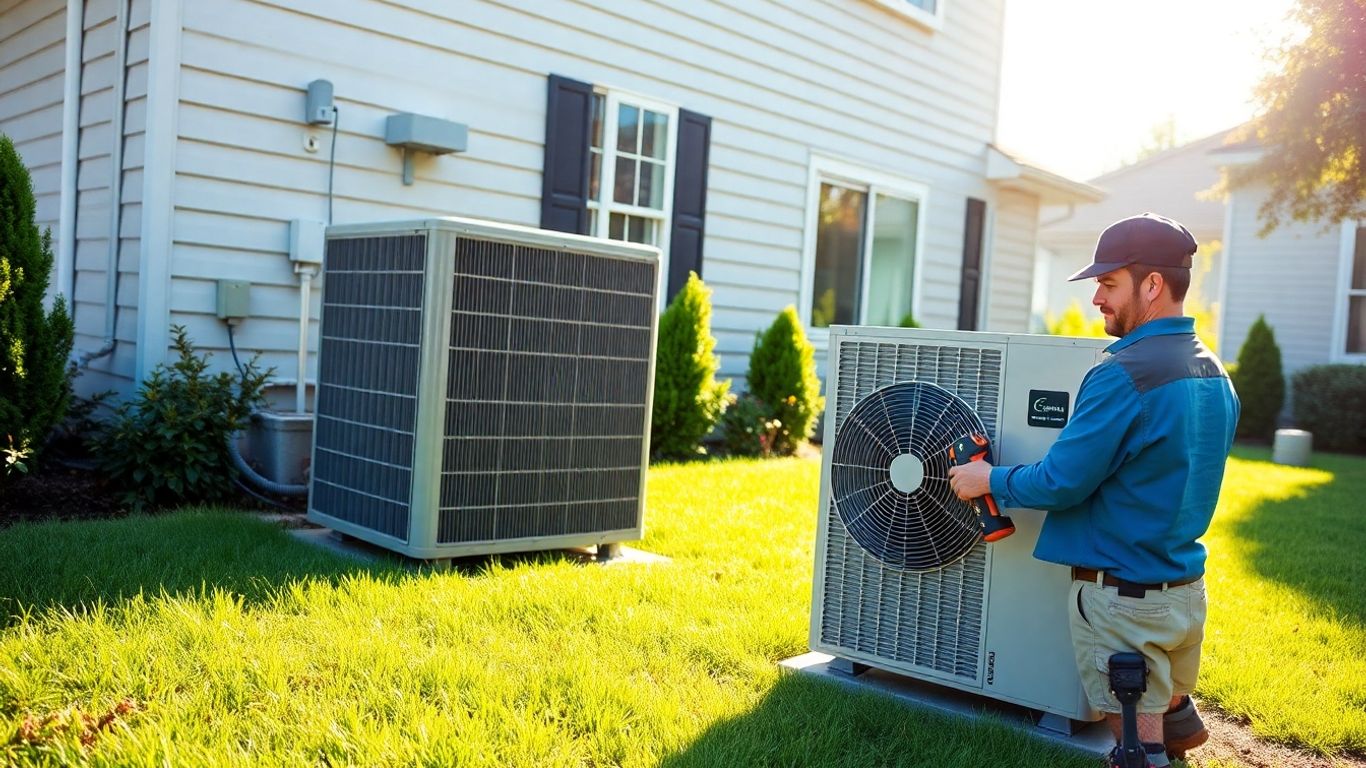
Getting your HVAC system installed by someone who knows what they’re doing makes a real difference. Even the most expensive equipment can’t work right if it’s put in poorly. A sloppy installation usually means wasted energy and bigger bills, even if you bought an energy-efficient unit. When a professional installs your system, they make sure it’s the right size for your home, that the ductwork lines up, and that the airflow is balanced. They also set up the thermostat and test the whole system. In other words, they get rid of the little problems that eat up energy and cost you money.
Routine Maintenance Tips for Longevity and Savings
You can’t just forget about your HVAC once it’s in. Regular maintenance keeps it working well, so you get the savings you expect. Here are a few smart habits to stay on top of:
- Replace or clean air filters every 1–3 months.
- Check for leaks or cracks in ductwork at least once a year.
- Clean the coils and fans so dust and grime don’t slow things down.
- Have a pro check the refrigerant and thermostat settings once a year.
If you keep up with these tasks, your system doesn’t have to work as hard. Less strain means it lasts longer and costs less to run.
Preventing Expensive Breakdowns with Regular Checkups
An annual checkup from an HVAC technician can catch small issues before they turn into wallet-draining breakdowns. It’s like taking your car in for an oil change—a little bit of prevention saves a lot of hassle and money. Here’s a quick look at what a yearly visit can do for you:
| Benefit | Impact on Savings |
|---|---|
| Spots tiny problems early | Avoids big repairs |
| Keeps system at peak output | Lower energy bills |
| Extends system lifespan | Fewer replacements |
| Maintains warranty | Less out-of-pocket |
Even if your HVAC seems fine, skipping maintenance can lead to surprise repairs at the worst moment—usually in the hottest week of summer or the coldest snap of winter.
Maximizing Savings Through Government Incentives and Rebates
Overview of Available Federal and State Programs
Homeowners often miss out on hundreds—or even thousands—of dollars in savings because they don’t know about current government incentives for upgrading to energy-efficient HVAC systems. These programs include federal tax credits, local utility rebates, and sometimes state programs that reward eco-friendly upgrades. Not every program is available everywhere, but here’s a quick breakdown you can use to start your search:
| Program Type | Example Savings | Where to Find Info |
|---|---|---|
| Federal Tax Credits | Up to $2,000 | IRS, EnergyStar.gov |
| State Rebates | $200–$1,200+ | State energy websites |
| Utility Company Offers | $50–$800 | Local utility websites |
How to Qualify for Tax Credits and Rebates
Securing these savings can be straightforward, but you do have to follow certain steps. Here’s what to keep in mind:
- Choose an HVAC system that meets energy-efficiency requirements. Look for ENERGY STAR labels or high SEER/AFUE ratings.
- Save your purchase receipts and any installation documents.
- Apply for rebates or credits through the appropriate websites before deadlines.
It’s worth double-checking eligibility details before making the investment, as requirements tend to shift year by year.
Tips for Navigating the Incentive Process
Honestly, the process can feel a little overwhelming if you’re not used to paperwork. Here are a few ways to make things smoother:
- Ask your installer for help. Reputable HVAC companies will often help you fill out rebate forms or point you to the right place to submit paperwork.
- Keep digital and paper copies of all documents—utilities and agencies sometimes ask for extra proof.
- Set reminders on your calendar for rebate and tax-filing deadlines; missing the window can cost you.
Taking the time to claim incentives is one of the easiest ways to lower your upfront costs and boost your long-term savings on a new HVAC system.
Debunking Myths About Energy-Efficient HVAC Systems
Truth About Upfront Costs and Return on Investment
A lot of people get stuck on the price tag for energy-efficient HVAC equipment. It’s true, those systems can cost more at the register. But here’s what people usually miss: the long-term savings often outweigh those upfront costs. Not only do these units use less energy (so lower bills every month), but repairs and maintenance are often easier and less frequent on newer, more efficient models. Let’s look at a simple table to show how costs compare:
| Cost Category | Standard HVAC | Energy-Efficient HVAC |
|---|---|---|
| Upfront Cost | Lower | Higher |
| Avg. Monthly Utility | Higher | Lower |
| Maintenance/Repairs | More | Less |
| Payback Over 5 Years | — | Savings Add Up |
Think of it as paying a little more now to save a lot in the future. That’s money you could use for just about anything else, year after year.
Performance Compared to Traditional Systems
Some folks worry that efficient systems won’t keep their home as comfortable, but that isn’t the case. Modern energy-efficient HVAC technology is made to meet or even exceed the performance of older models. In fact, these systems offer:
- More precise temperature control, keeping rooms even
- Quieter operation so your living room feels cozier
- Features like smart zoning, which customizes comfort for different areas
Manufacturers have worked out the kinks from earlier designs. So, you’re not sacrificing comfort for savings; you’re often getting both.
Suitability for Older Homes and Retrofitting
It’s a common rumor that only new houses can use these high-efficiency systems. Actually, most energy-efficient HVAC products are made to fit into existing homes. Retrofitting is possible in all sorts of situations:
- Ductless systems that go into houses without existing ductwork
- Heat pumps that work in colder climates, even in older homes
- Smart thermostats that aren’t picky about the age of your house
So, if your home isn’t new, don’t count yourself out. There’s a good chance you can still upgrade and enjoy lower bills. Switch out the old, put in the new, and your house—and your wallet—will thank you.
Everyday Habits to Improve the Efficiency of Your HVAC System
Maintaining an energy-efficient HVAC system isn’t just down to expensive equipment or upgrades. Small, consistent habits make a lasting difference in your home’s energy use and monthly bills. Here are some actions you can take to keep your system running smoothly and economically year-round.
Regularly Changing Air Filters
When your HVAC filter gets clogged with dust and debris, that makes the unit work harder to push air through. Try to check your filter once a month. If it looks dirty, swap it out. At minimum, change it every three months. Affordable filters and a few minutes of your time can prevent strain on your system and poor airflow.
- Mark a reminder on your calendar or phone to inspect your filter.
- Stock up on basic filters so you always have a replacement handy.
- Notice any drop in airflow or strange smells? The filter might be long overdue for a change.
Sealing and Insulating Ductwork
Leaks or drafts in your duct system waste a lot of conditioned air before it reaches the rooms you live in. Unsealed ducts in crawl spaces or attics can be big money sinks. To help:
- Inspect duct connections for obvious gaps, tears, or disconnected sections.
- Use mastic sealant or metal tape (not duct tape!) to patch small leaks.
- Consider adding insulation around any exposed ductwork, especially in spaces that don’t get heated or cooled.
Even a small investment of time and a roll of tape can make your HVAC system feel like new, and keep your energy bills from creeping up every season.
Utilizing Zoned Heating and Cooling
If your home’s system allows for zoned control, you can direct heating or cooling only to areas that really need it, avoiding waste in unused rooms. Here’s how to make the most of this feature:
- Set different temperatures for various parts of the house based on use.
- Close vents in rarely used spaces when safe to do so.
- Use programmable or smart thermostats in each zone for optimal scheduling.
| Habit | How Often | Potential Annual Savings |
|---|---|---|
| Change air filters | Every 1-3 mo | $50–$120 |
| Seal/insulate ductwork | Every 2 yrs | $75–$200 |
| Use zone controls wisely | Always | $60–$150 |
Sometimes, the little routines you keep end up saving you the most money over time. With these habits, your HVAC system stays efficient and your wallet thanks you every month.
Wrapping It Up: Why Energy-Efficient HVAC Pays Off
So, here’s the bottom line—switching to an energy-efficient HVAC system really does make a difference. Sure, the upfront cost might make you pause, but over time, those lower utility bills start to add up. Plus, you get a more comfortable home and help out the environment at the same time. Regular maintenance and smart upgrades, like a programmable thermostat, can stretch your savings even further. If your old system is starting to show its age, it might be time to think about an upgrade. In the long run, you’ll probably wonder why you didn’t make the switch sooner.
Frequently Asked Questions
How does an energy-efficient HVAC system help me save money?
Energy-efficient HVAC systems use less energy to heat or cool your home. This means your monthly utility bills will be lower because the system doesn’t have to work as hard. Over time, these savings really add up.
Is it expensive to upgrade to an energy-efficient HVAC system?
While a new energy-efficient HVAC system might cost more at first, it usually saves you money in the long run. Lower energy bills and fewer repairs often make up for the higher upfront price.
How can I tell if my current HVAC system is wasting energy?
Signs your system is wasting energy include high utility bills, uneven heating or cooling, loud noises, and the system running all the time. If your HVAC system is more than 10 years old, it might be time to think about an upgrade.
What should I look for when choosing an energy-efficient HVAC system?
Look for systems with high SEER (Seasonal Energy Efficiency Ratio) for air conditioners and high AFUE (Annual Fuel Utilization Efficiency) for furnaces. Also, consider systems that work with smart thermostats for even more savings.
Do I need a professional to install an energy-efficient HVAC system?
Yes, it’s important to have a professional install your new HVAC system. A proper installation makes sure the system runs as efficiently as possible and helps avoid future problems or breakdowns.
Are there rebates or incentives for buying an energy-efficient HVAC system?
Yes, many federal and state programs offer rebates or tax credits when you buy a high-efficiency HVAC system. Your local utility company might also have special offers to help you save even more.
