


Growing plants indoors can be a rewarding hobby, but getting it right often means paying close attention to the environment. We’ve found that the right heating, ventilation, and air conditioning, or HVAC, setup makes a big difference. This article looks at how standard residential HVAC systems can be adapted to create the best conditions for your indoor garden, helping your plants thrive.
Key Takeaways
- We can use residential HVAC systems to manage temperature and humidity for indoor plants.
- Good airflow from HVAC systems helps prevent plant problems like mold and pests.
- Properly setting up HVAC is important for a healthy indoor garden.
Optimizing Temperature and Humidity Control
Understanding Residential HVAC Systems for Grow Houses
We know it’s not easy to keep indoor garden temperatures and humidity right where they need to be. Using residential HVAC systems set up for grow houses helps us manage these details a lot better. Most home systems aren’t designed with plants in mind at first, but with some tweaks, they can be tailored for this purpose. Let’s look at the differences:
| Feature | Standard HVAC | Grow House Setup |
|---|---|---|
| Temp. Range | 68-74°F | 70-80°F (day) |
| Humidity Control | Basic | Precise, 40-60% |
| Filter Type | Basic dust | HEPA, carbon |
With a bit of research, we figured out that the right climate means healthier plants and faster growth. If we ignore the details, our plants can easily get stressed or even become stunted. Some systems have smart thermostats so we can automate temperature swings for day and night cycles, almost like what plants expect outdoors.
Maintaining Ideal Environmental Conditions
Getting the environment steady means troubleshooting and adjusting for a bunch of stuff: heat from grow lights, outside weather, even how often we water. The HVAC unit can help with lots of these factors.
Let’s break down what we need to stay on top of:
- Adjusting airflow to prevent hot spots
- Tweaking the thermostat when lights go on/off
- Using humidifiers or dehumidifiers when the air is too dry or too damp
Humidity changes a lot throughout the day, so we use sensors to track and make quick adjustments. We also check for any leaks or insulation problems—sometimes, it’s the small things that throw the whole setup off.
When the climate is balanced, our plants are less likely to attract pests or get sick, which means fewer headaches for us in the long run.
Ensuring Proper Airflow and Ventilation
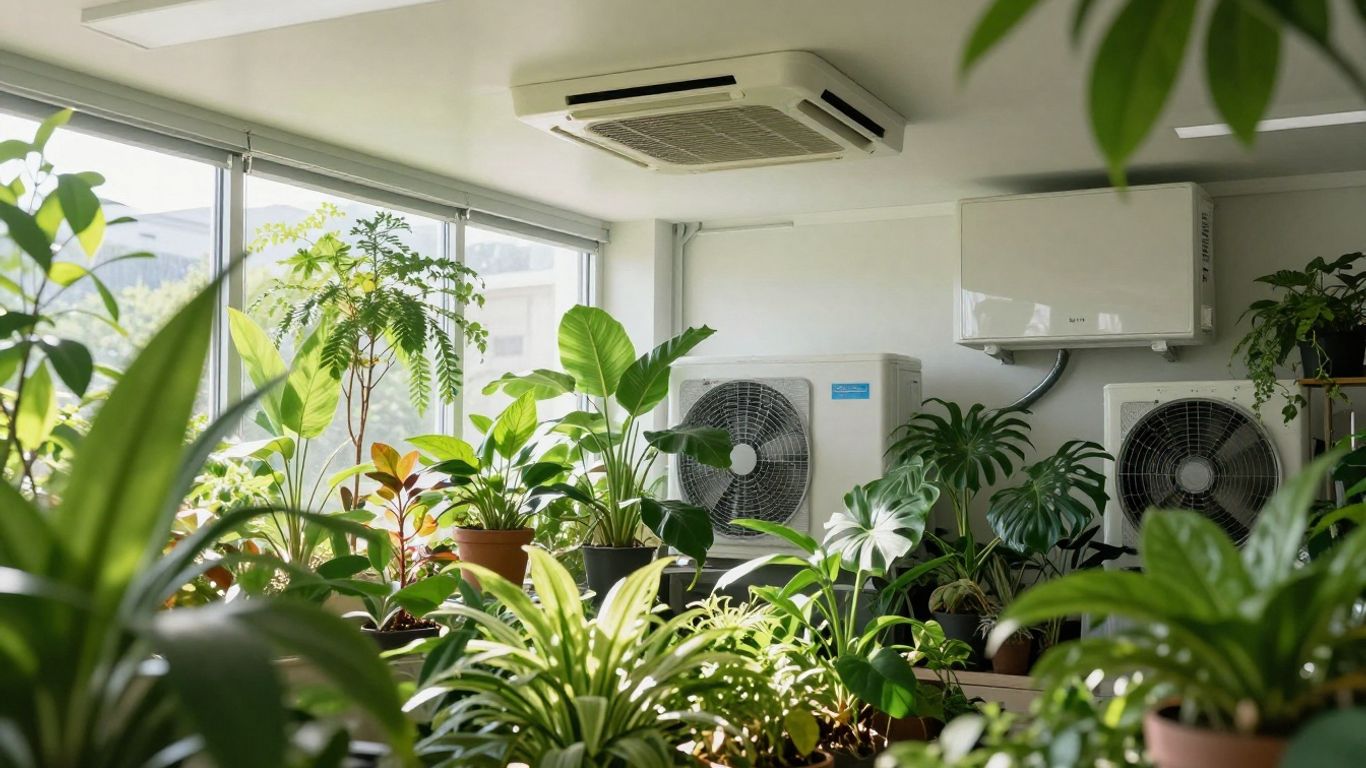
The Role of Residential HVAC Systems in Air Circulation
Air movement is often overlooked when setting up an indoor garden, but we can’t ignore it if we want healthy plants. Our residential HVAC systems do a lot more than just heat and cool. They actually play a big part in circulating air evenly throughout the grow space. Good air movement helps keep temperatures even and prevents moisture from getting stuck in certain areas.
Here’s how effective air circulation helps a grow house:
- Moves fresh air around the entire garden, keeping CO2 levels steady
- Reduces spots where hot or cold air can build up
- Helps stop leaves from staying wet too long after misting, which avoids problems like rot
We like to pay attention to how fans and vents are set up. Placing them at plant canopies and along the floor encourages steady movement and can make a big difference over time.
Preventing Mold and Pests with Effective Ventilation
When it comes to indoor gardening, ventilation is our best defense against some of the most annoying problems—mold and pests. Still, balancing airflow without making the room drafty isn’t always simple. We’ve found that a well-planned HVAC setup keeps air fresh and also filters out unwanted guests and mold spores before they become real problems.
Common steps we take to cut back on mold and pests:
- Keep relative humidity below 60% by setting up the HVAC system to pull out extra moisture
- Regularly inspect ductwork and vents for dust and mold buildup
- Install basic air filters to trap spores and insects before they reach our plants
Making a habit of checking air vents and changing filters has saved us more than a few crops from disaster.
And just for comparison, here’s a quick table showing how different ventilation rates can affect mold risk:
| Air Change Rate (per hour) | Mold Risk |
|---|---|
| 1 | High |
| 3 | Moderate |
| 6 | Low |
The point is, consistent airflow and the right ventilation keep the growing environment healthy, so we don’t have to deal with nasty surprises later on.
Conclusion
So, after looking at all the ways HVAC solutions can help our indoor gardens, it’s pretty clear that getting the right setup makes a big difference. We’ve seen how temperature, humidity, and airflow all play their part. When we pay attention to these things, our plants just seem happier and healthier. It’s not always easy to get it perfect, and sometimes it takes a bit of trial and error. But once we figure out what works for our space, the results really show. If we want our indoor gardens to thrive, it’s worth taking the time to sort out our HVAC system. In the end, it’s all about giving our plants the best shot at growing strong and steady.
Frequently Asked Questions
Why is temperature control important for our indoor garden?
Keeping the right temperature helps our plants grow strong and healthy. If it gets too hot or too cold, our plants might not grow well, or they could get sick. With the right HVAC system, we can keep the temperature just right all the time.
How does controlling humidity help our plants?
When we control humidity, we stop problems like mold and bugs from hurting our plants. Too much moisture can make plants rot, but too little can dry them out. HVAC systems help us keep the air just moist enough for our plants to do their best.
What can we do to make sure air moves well in our grow house?
We can use fans and vents to move fresh air around our plants. Good airflow stops hot spots and keeps the air clean. Our HVAC system helps by bringing in fresh air and pushing out old air, which helps our plants stay healthy.
