


As the temperatures drop outside, we tend to spend more time indoors. This means the air inside our homes gets recirculated more often, which can affect our indoor air quality. We want to make sure the air we breathe is as clean as possible, especially when it’s cold out. Let’s look at some simple ways we can all improve the air inside our living spaces during the colder months.
Key Takeaways
- Keeping your heating and cooling system in good shape is important for clean air. Regular check-ups can catch problems early.
- The filters in your HVAC system trap dust and other particles. Changing them often makes a big difference for indoor air quality.
- Getting fresh air into your home, even when it’s cold, helps clear out stale air and improve the overall air quality.
Optimize Your HVAC System For Cleaner Air
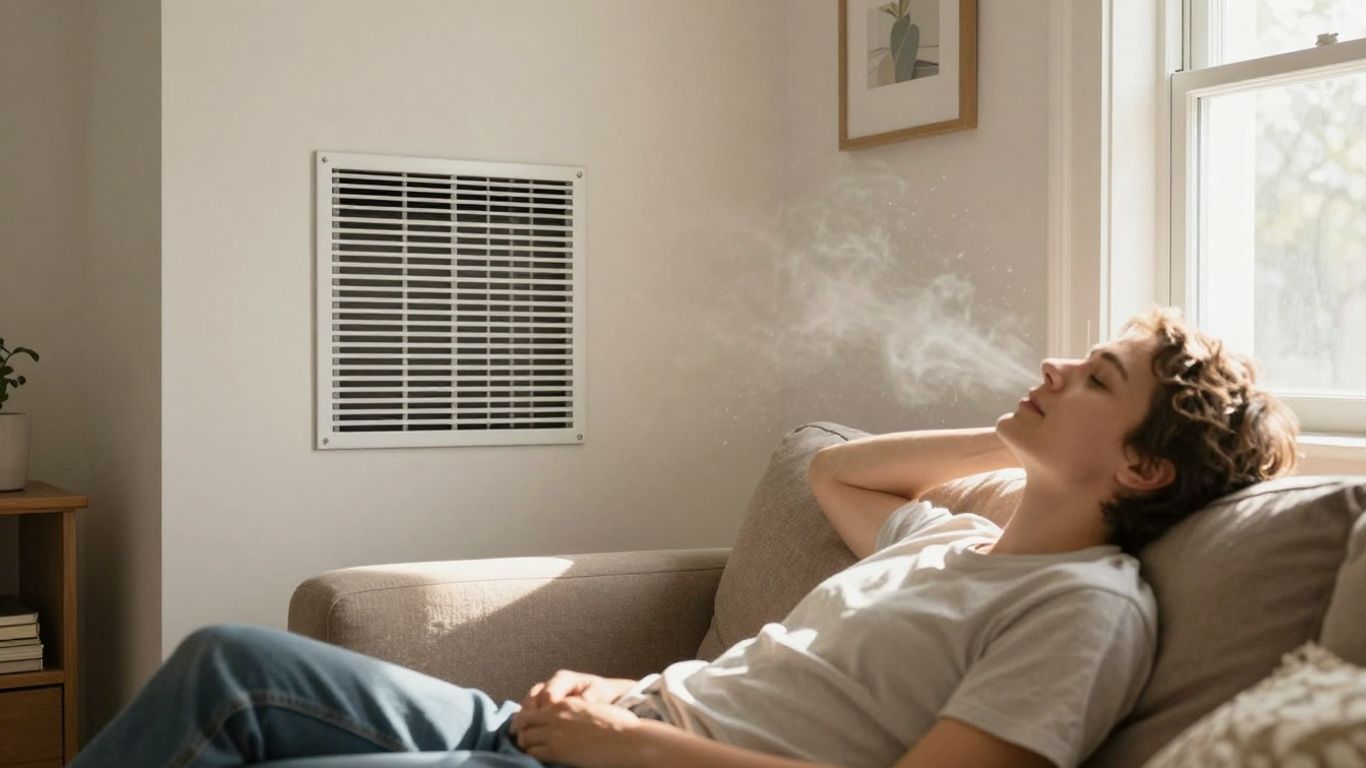
When the weather turns cold, we tend to seal ourselves inside, and that’s when our heating, ventilation, and air conditioning (HVAC) system really goes to work. It’s not just about keeping warm; it’s also a major player in the air we breathe indoors. Making sure your HVAC is in top shape is one of the most effective ways we can improve our indoor air quality during the winter months.
Regular HVAC Maintenance Checks
We often forget about our HVAC system until something goes wrong, but regular check-ups are key. Think of it like taking your car in for an oil change – it prevents bigger problems down the road. For our HVAC, this means having a professional take a look at it at least once a year, ideally before the heating season really kicks in. They can spot issues we might miss, like worn-out parts or potential leaks. They’ll also clean out the dust and debris that can build up in the system, which can then get blown around our homes.
Here’s what a good maintenance check usually covers:
- Checking the thermostat to make sure it’s working correctly.
- Inspecting and cleaning the blower motor and fan.
- Looking at the heat exchanger for any cracks or damage.
- Testing the electrical connections.
- Lubricating moving parts.
Skipping these checks can lead to your system working harder than it needs to, using more energy, and potentially circulating dust, mold spores, or other particles through your home. It’s a small investment that pays off in comfort and health.
Upgrade Your HVAC Air Filters
This is probably the easiest and most impactful thing we can do ourselves. The air filter in your HVAC system is like the lungs of your house; it catches all the stuff floating around in the air. When it gets clogged, it can’t do its job effectively, and it makes your system struggle.
We need to pay attention to the MERV rating of our filters. MERV stands for Minimum Efficiency Reporting Value, and it tells us how well a filter captures particles. Higher MERV ratings mean better filtration, but we have to be careful. A filter that’s too restrictive can also make your HVAC work too hard. We should aim for a balance.
Here’s a quick guide to MERV ratings:
| MERV Rating | What it Captures |
|---|---|
| 1-4 | Pollen, large dust particles, carpet fibers |
| 5-8 | Mold spores, smaller dust, pet dander |
| 9-12 | Bacteria, smoke particles, finer dust |
| 13-16 | Viruses, very fine particles, smog |
For most homes, a MERV rating between 8 and 13 is a good sweet spot. It captures a lot of common indoor pollutants without putting too much strain on the system. We should also make a habit of checking our filters monthly and replacing them every one to three months, depending on the filter type and how much dust we have. It’s a simple task that makes a big difference in the air we breathe.
Enhance Air Circulation and Ventilation
When the weather outside turns cold, we tend to seal ourselves indoors, shutting windows and doors tight. While this keeps the warmth in, it can also trap stale air and pollutants. We need to think about how air moves around our homes, even when it’s chilly.
Utilize Your HVAC Fan Strategically
Most HVAC systems have a fan setting beyond just ‘Auto,’ which only runs when heating or cooling. Switching your fan to ‘On’ means it circulates air continuously. This can help distribute filtered air throughout your house more evenly. It’s a simple change that can make a difference in how fresh the air feels.
- Continuous air movement helps prevent stagnant zones.
- It can help reduce the buildup of dust and allergens by passing air through your filter more often.
- Consider this setting during periods when you’re cooking a lot or if you have pets, as it can help manage odors and dander.
We found that running the fan on ‘On’ for a few hours each day, especially after cooking or when we’ve had guests, seemed to make the air feel lighter. It’s not a replacement for fresh air, but it’s a good step.
Introduce Fresh Air Safely
Even with the best HVAC filters, nothing beats bringing in fresh air from outside. The trick in cold weather is to do it without losing too much heat. We don’t want to shock our heating system or make our homes freezing.
- Open windows for short periods. Aim for 5-10 minutes, a couple of times a day. This is enough to exchange stale indoor air for fresh outdoor air without drastically dropping the temperature.
- Try opening windows on opposite sides of the house to create a cross-breeze. This helps push the old air out more effectively.
- If you have a heat or energy recovery ventilator (HRV/ERV), now is the time to make sure it’s working correctly. These systems bring in fresh air while pre-conditioning it with the outgoing stale air, saving energy.
We’ve learned that a quick ‘airing out’ doesn’t have to mean a significant energy loss. Short, strategic bursts of ventilation are key to refreshing the indoor environment without compromising comfort or efficiency.
We sometimes use a smart thermostat to schedule these brief ventilation periods for when the sun is strongest, hoping to minimize the impact on our heating costs. It’s a bit of an experiment, but it feels like a good balance.
Wrapping Up
So, we’ve gone over a few ways to keep the air inside our homes feeling fresh, even when it’s freezing outside. It might seem like a lot at first, but honestly, most of these tips are pretty simple to add to our routines. Opening windows for a bit, even in winter, really does make a difference. And keeping up with cleaning, especially dusting and vacuuming, helps a ton with stuff floating around. We also talked about plants and air purifiers, which can give us an extra boost. Taking these steps means we can all breathe a little easier and feel better in our own spaces during those long, cold months. It’s about making our homes comfortable and healthy, plain and simple.
Frequently Asked Questions
How often should we change our air filters in the winter?
We suggest checking your HVAC air filters about once a month during colder months. If they look dirty or clogged, it’s time for a change. Dirty filters make your system work harder and can’t trap dust and other tiny particles as well, which means less clean air for us.
Is it really okay to open windows when it’s cold outside?
Yes, it can be! Even opening a window for just 5-10 minutes a couple of times a day can make a big difference. This helps push out stale indoor air and brings in fresh air, which is good for our lungs, especially when we’re spending more time inside.
What’s the easiest way to keep our heating system running well for clean air?
The simplest thing we can do is schedule regular check-ups with a professional. They can make sure our heating and cooling system is in top shape. Also, keeping up with filter changes is crucial. A well-maintained system heats our homes better and helps keep the air cleaner for everyone.
