


As the temperatures drop, many of us start thinking about how to keep our homes warm without breaking the bank. Heating costs can really add up, and finding ways to reduce them is on our minds. We’ve put together some simple ideas that can make a difference this winter, focusing on making our homes more efficient and getting the most out of our heating equipment. Let’s explore how we can stay cozy and save money.
Key Takeaways
- We can stop drafts by sealing gaps around windows and doors. This stops warm air from escaping.
- Adding more insulation to our attics and walls helps keep the heat inside where we want it.
- We should take care of our heating systems by doing regular check-ups and maybe getting a smart thermostat to control the temperature better.
Maximize Your Home’s Energy Efficiency
When we think about saving money on heating, the first thing that often comes to mind is adjusting the thermostat. But honestly, a lot of heat can just escape our homes without us even realizing it. Making sure our houses are sealed up tight is a big part of keeping that warm air inside where we want it. It’s not just about comfort, either; it’s about making our heating systems work less hard, which directly translates to lower bills.
Seal Air Leaks Around Windows and Doors
We’ve all felt that draft, right? That little puff of cold air that sneaks in around your windows or under the front door. These aren’t just annoying; they’re tiny energy thieves. They let the warm air you’ve paid to generate escape, and then the cold air comes right back in. It’s a constant battle your heating system has to fight.
- Check for drafts: On a windy day, you can often feel where the air is coming in. Another trick is to light a stick of incense or hold a thin piece of tissue paper near potential leak spots. If the smoke or paper moves, you’ve found a leak.
- Weatherstripping: This is a flexible material, often rubber or foam, that you can stick around the edges of doors and windows. It compresses when the door or window is closed, creating a seal. It’s pretty inexpensive and easy to put up.
- Caulking: For smaller cracks and gaps, especially around window frames where they meet the wall, caulk is your friend. You can get it in tubes that fit in a caulking gun, making application straightforward.
- Door sweeps: If you notice a gap at the bottom of your exterior doors, a door sweep can be attached to the bottom edge to block that draft.
Taking the time to seal these small openings might seem minor, but the cumulative effect on your home’s heating efficiency can be quite significant. It’s a proactive step that pays off.
Improve Insulation in Your Attic and Walls
Insulation is like a cozy blanket for your house. It slows down heat transfer, meaning it keeps the heat inside during the winter and outside during the summer. If your home is older, the insulation might not be as effective as it could be, or it might be missing in some areas altogether.
- Attic insulation: This is often the most cost-effective place to add insulation. Heat rises, so a poorly insulated attic is a major source of heat loss. We recommend checking the depth of your current insulation. The U.S. Department of Energy has guidelines for recommended R-values (a measure of thermal resistance) based on your climate zone.
- Wall insulation: Insulating walls can be a bigger project, especially in existing homes. However, options like blown-in insulation can be added to wall cavities without major renovations. This can make a noticeable difference in how evenly your home heats.
- Basement and crawl spaces: Don’t forget these areas! Insulating basement walls or the ceiling of a crawl space can prevent cold air from seeping up into your living areas.
Adding insulation is a project that can sometimes be done yourself, but for attics and walls, it might be worth getting quotes from professionals. The upfront cost can seem high, but the long-term savings on your heating bills, plus the added comfort, make it a worthwhile investment for our homes.
Optimize Your Energy Efficient Heating Systems
Now that we’ve talked about stopping heat from escaping, let’s look at the systems that actually make the heat. Keeping your furnace or boiler in good shape and using smart technology can make a big difference in how much you spend.
Regularly Maintain Your Furnace or Boiler
Think of your heating system like a car. If you don’t change the oil or get regular tune-ups, it won’t run as well and might break down when you need it most. The same goes for your furnace or boiler. Regular maintenance isn’t just about preventing a breakdown in the dead of winter, though that’s a big plus. It’s also about making sure it’s running as efficiently as possible.
Here’s what we usually check during a maintenance visit:
- Filter Replacement: A dirty air filter makes your system work harder to push air through. We swap these out regularly.
- Cleaning and Lubrication: Dust and grime can build up, making parts stick or move slowly. Cleaning and lubricating moving parts helps everything run smoothly.
- System Checks: Technicians check for leaks, test the thermostat, inspect the heat exchanger for cracks (which can be dangerous), and make sure all safety controls are working right.
- Ductwork Inspection: We look for any obvious leaks or damage in the ductwork that could be letting heated air escape before it gets to your rooms.
Getting a professional tune-up once a year, usually in the fall before the cold really hits, is a smart move. It can catch small problems before they become big, expensive ones and helps your system use less energy to heat your home.
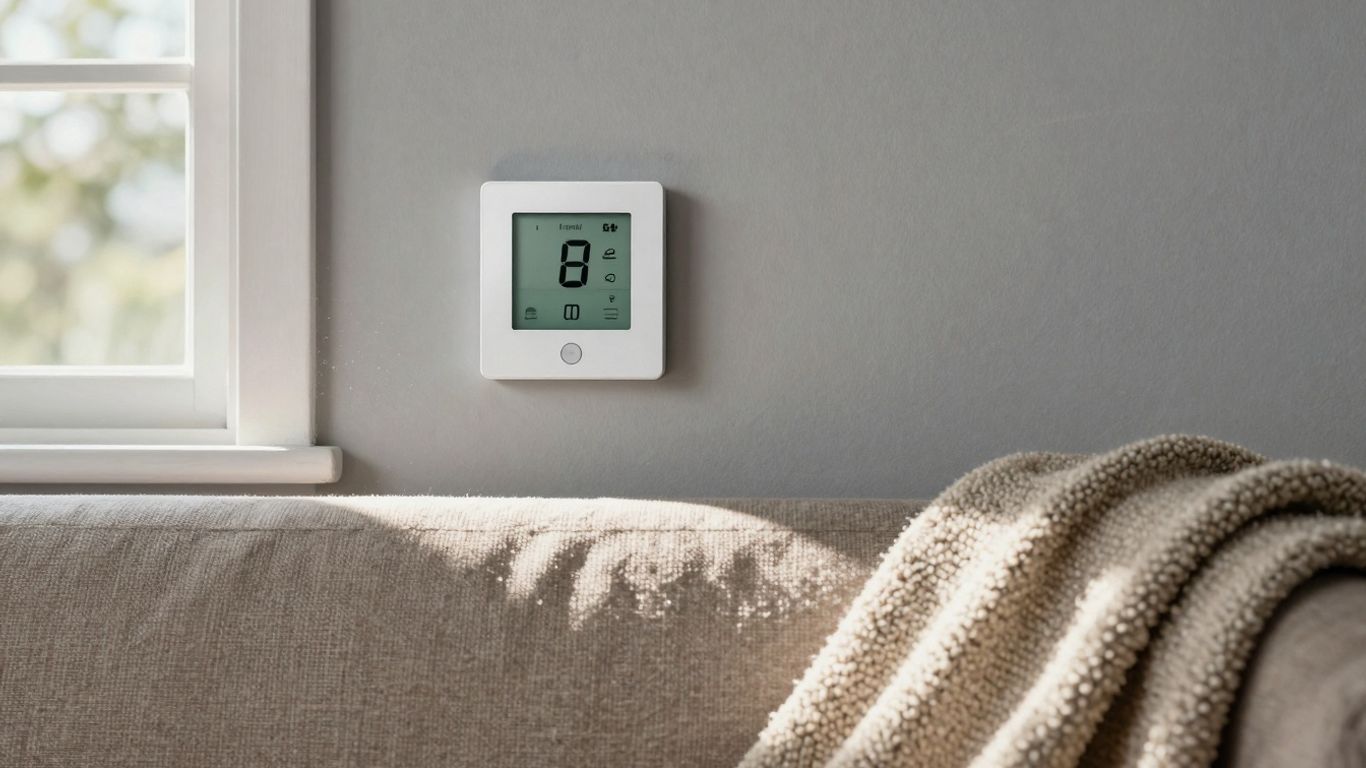
Consider Upgrading to a Smart Thermostat
If you’re still using an old-fashioned manual thermostat, you might be wasting money without even realizing it. A smart thermostat is a game-changer for managing your home’s temperature and your heating bills.
What makes them ‘smart’? Well, they connect to your home’s Wi-Fi and can be controlled from your phone or tablet. But more importantly, they learn your habits. They figure out when you’re usually home, when you’re away, and when you sleep. Then, they automatically adjust the temperature to save energy when you don’t need as much heat.
For example, you can program it to lower the temperature overnight while you’re sleeping under warm blankets, and then have it start warming up again before you wake up. Or, if you’re heading out for the day, you can adjust it remotely so you’re not heating an empty house.
Some smart thermostats even give you reports on your energy usage, helping you see where you can make further adjustments. It’s like having a little energy assistant working for you all the time.
While there’s an upfront cost, the savings on your heating bills over time can often make up for it. Plus, the convenience of controlling your home’s temperature from anywhere is pretty nice, too.
Wrapping Up
So, we’ve gone over a few ways we can all try to keep our homes warmer and our heating bills lower this winter. It’s not always about big, expensive fixes. Sometimes, it’s just the little things, like checking for drafts or adjusting the thermostat a degree or two. We hope these tips give you a good starting point. Making even a couple of these changes can add up and make a real difference when that next energy bill arrives. Let’s all try to stay warm and save some money.
Frequently Asked Questions
What’s the quickest way to stop heat from escaping our house?
A simple yet effective method is to check for drafts around windows and doors. We can use caulk or weatherstripping to seal up any gaps where warm air might be sneaking out. It’s like giving our home a cozy blanket to keep the heat inside where we want it.
How often should we get our heating system checked?
We recommend having our furnace or boiler looked at by a professional at least once a year, usually before the cold weather really hits. This tune-up helps ensure it’s running safely and efficiently, preventing bigger problems and saving us money on our energy bills.
Are smart thermostats really worth the cost?
For many of us, yes! Smart thermostats learn our habits and can automatically adjust the temperature when we’re away or asleep. This means we’re not heating an empty house, which can lead to significant savings over time. Plus, we can control it from our phones, which is pretty neat.
