


When the cold weather hits, we all want our homes to be warm and comfortable. But sometimes, our heating systems decide to act up, leaving us shivering. Dealing with these issues can feel overwhelming, but with a bit of know-how, many common home heating troubleshooting steps are manageable. We’ll walk through some typical problems and how we can approach fixing them, aiming to get your heat back on track without too much fuss.
Key Takeaways
- When your home has no heat, start by checking the thermostat settings to make sure it’s set correctly. Then, if you have an older furnace, look to see if the pilot light is on.
- For inconsistent heating, a dirty air filter is often the culprit. Also, check that vents aren’t blocked and consider how heat is moving through your house.
- Effective home heating troubleshooting involves simple checks first. Often, basic maintenance like cleaning filters or adjusting the thermostat can solve the problem.
Addressing No Heat Issues For Effective Home Heating Troubleshooting
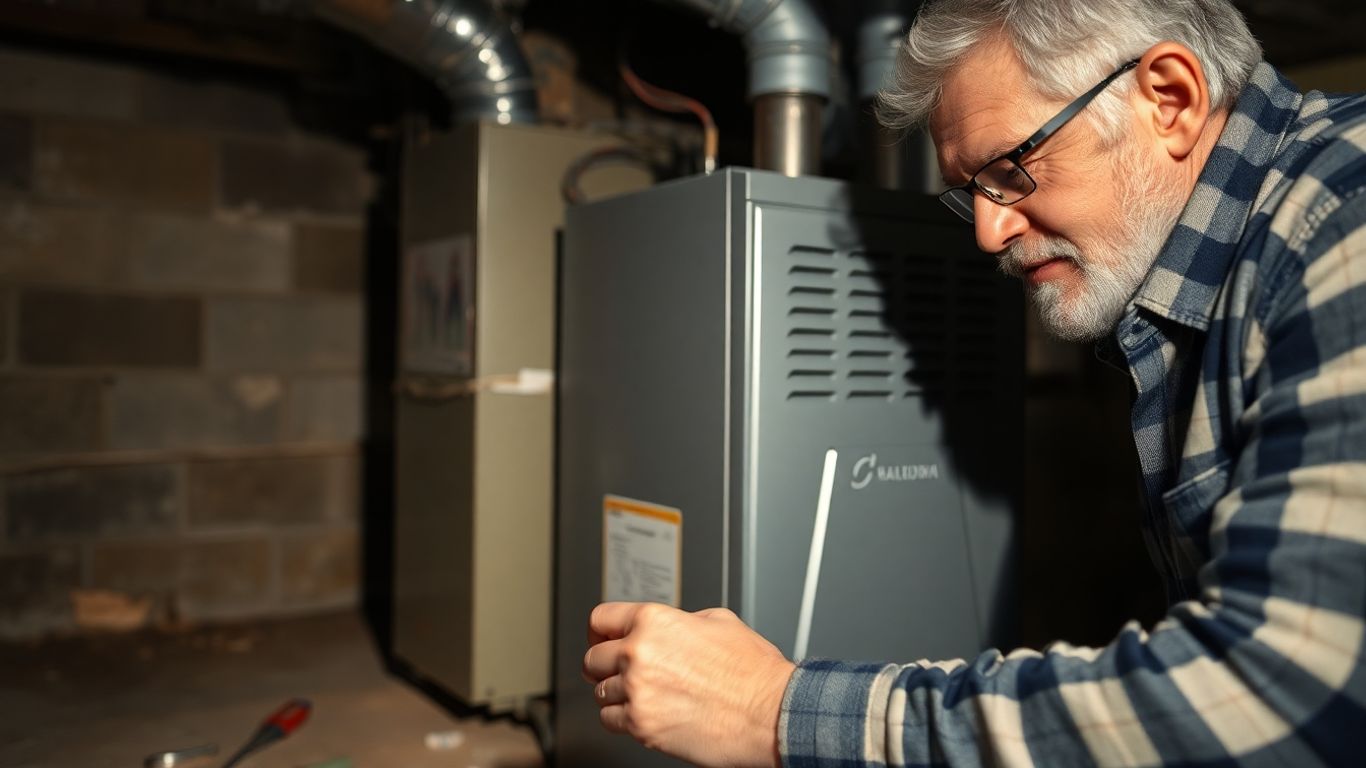
When your home suddenly goes cold, it’s a pretty unsettling feeling. We’ve all been there, staring at a thermostat that stubbornly refuses to cooperate. Before you panic and call for expensive emergency service, let’s walk through a couple of common reasons why your heating system might not be working at all. Often, the fix is simpler than you think.
Checking Your Thermostat Settings
This might sound obvious, but we can’t stress enough how often a simple setting error is the culprit. It’s easy to accidentally bump the dial or have a programmed schedule go awry. First, take a look at your thermostat. Is it set to ‘Heat’ and not ‘Cool’ or ‘Off’? We also need to check the temperature setting. Make sure the desired temperature is set higher than the current room temperature. If you have a programmable thermostat, check the schedule. Sometimes, a vacation mode or a forgotten overnight setting can leave you in the cold.
- Verify the mode: Ensure it’s on ‘Heat’.
- Check the temperature: Set it a few degrees above the current room temp.
- Review the schedule: Look for any programmed overrides or unexpected settings.
If you have a digital thermostat, check if the batteries need replacing. Low batteries can cause erratic behavior or a complete shutdown.
Sometimes, the simplest solutions are overlooked in moments of stress. Taking a deep breath and systematically checking the basics can save you a lot of time and money.
Inspecting Your Furnace’s Pilot Light
For older furnaces that use a standing pilot light, this is a very common reason for a lack of heat. The pilot light is a small flame that stays lit continuously, ready to ignite the main burners when the thermostat calls for heat. If this pilot light has gone out, your furnace won’t be able to start.
Here’s how we can check and relight it:
- Locate the pilot assembly: This is usually found near the gas valve on your furnace. You’ll see a small tube with a flame at the end.
- Turn off the gas: Find the gas control knob on the furnace and turn it to the ‘Off’ position. Wait about five minutes to allow any residual gas to dissipate. This is important for safety.
- Relight the pilot: Follow the instructions printed on your furnace. Typically, you’ll need to turn the gas knob to ‘Pilot’, press and hold it down, and then use a long lighter or the built-in igniter to light the pilot flame. Keep holding the knob down for about 30-60 seconds after the flame is lit to allow the thermocouple to heat up.
- Turn on the gas: Once the pilot is lit and you’ve released the knob, turn the gas control knob to the ‘On’ position. You should see the pilot flame stay lit.
If the pilot light won’t stay lit after a few attempts, there might be a more serious issue, such as a faulty thermocouple or a problem with the gas supply. In such cases, it’s best to contact a qualified HVAC professional.
Resolving Inconsistent Heating For Optimal Home Heating Troubleshooting
Sometimes, your heating system might seem to be working, but the warmth just isn’t spread out evenly. One room might be toasty while another feels like a refrigerator. We’ve all been there, right? Let’s figure out why this happens and what we can do about it.
Examining Air Filters And Vents
This is often the simplest fix, and it’s surprising how often it’s overlooked. A clogged air filter can really choke the airflow from your furnace. Think of it like trying to breathe through a thick blanket – not very effective.
- Check your air filter regularly. We recommend doing this at least once a month, especially during peak heating season.
- A dirty filter restricts airflow, meaning less warm air gets pushed through your ducts.
- This can lead to your furnace working harder than it needs to, wasting energy and potentially causing damage.
- When you replace it, make sure you get the right size and type for your system.
Beyond the filter, take a look at your vents. Are they blocked by furniture, rugs, or curtains? Even something as simple as a misplaced pillow can disrupt the flow of warm air into a room. We need to make sure those pathways are clear.
Troubleshooting Uneven Heat Distribution
If the filter and vents look good, the problem might be deeper within your ductwork or the system itself. Uneven heating can stem from a few different places.
- Ductwork Leaks: Over time, the connections in your ductwork can loosen, allowing warm air to escape into unheated spaces like your attic or crawl space. This is a big energy drain and a common culprit for cold spots.
- Blocked Ducts: Sometimes, debris or even pests can find their way into the ducts, creating blockages that prevent air from reaching certain areas.
- Improperly Sized Ducts: If your home’s ductwork wasn’t designed correctly for your heating system, some rooms might naturally get less air than others.
- Thermostat Location: If your thermostat is placed in a spot that gets a lot of direct sunlight or is near a drafty window, it might be giving your furnace inaccurate readings, causing it to shut off too soon or run too long.
We’ve found that sometimes, the simplest solutions are the most effective. Before calling in a professional, a thorough check of your air filters and vents, along with ensuring your thermostat is in an optimal location, can often resolve many common heating inconsistencies.
If you’ve checked these things and are still experiencing uneven heating, it might be time to consider a professional inspection. They can check for issues like duct leaks or problems with your furnace’s blower motor that we can’t easily fix ourselves.
Wrapping Up Your Heating Troubles
So, we’ve gone over a few common things that can go wrong with your home heating. Sometimes, it’s just a simple fix, like checking the thermostat or making sure vents aren’t blocked. We hope this guide helps you tackle some of those chilly-day problems yourself. But remember, if you’re ever unsure or the issue seems too big, don’t hesitate to call in a professional. Staying warm shouldn’t be a constant battle, and getting expert help when you need it is always a smart move for your comfort and safety.
Frequently Asked Questions
What should we do if our house isn’t getting warm at all?
First, we should always double-check the thermostat. Sometimes it’s accidentally set too low or turned off. If that looks fine, we’ll then want to look at our furnace. For older furnaces, we might need to see if the pilot light is lit. If it’s out, that could be the reason we have no heat.
Why might our home feel warm in some rooms but cold in others?
This often happens when the air filters or vents are blocked. Dirty filters make it hard for air to move, and closed or blocked vents stop warm air from reaching certain areas. We should check these and clean or open them up if needed. Making sure air can flow freely is key.
Are there simple things we can do ourselves before calling a repair person?
Yes, absolutely! We can start with the easy checks like the thermostat and pilot light. Cleaning or replacing air filters is another simple task that makes a big difference. Also, ensuring our vents aren’t blocked by furniture helps a lot. These steps can often solve common heating problems without needing professional help.
