


When we talk about keeping our homes comfortable, most of us think about the thermostat or maybe the air conditioner itself. But there’s something else that plays a big part—duct sizing in residential HVAC systems. If we get the duct size wrong, it can mess with how air moves around the house, and we might end up with rooms that are too hot or too cold. Let’s look at why duct sizing matters and how it affects our comfort and energy bills.
Key Takeaways
- Getting duct sizing right in residential HVAC makes a big difference in how evenly air moves through the house.
- Improper duct sizing can lead to higher energy bills and rooms that never feel quite right.
- When we pay attention to duct sizing, we help our HVAC system last longer and work better.
Why Duct Sizing Matters in Residential HVAC Systems
Proper duct sizing is something we tend not to think much about—unless the system is either too loud, or just not working the way we hoped. But getting the sizing right can actually make our homes feel way more comfortable and even affect our energy bills.
Impact on Home Comfort and Airflow
When we size our HVAC ducts correctly, we can trust that each room gets about the same amount of treated air. This means one bedroom isn’t icy cold while the living room stays stuffy. Even air delivery directly affects how comfortable our spaces feel. If our ducts are too small, less air gets through, so we might notice rooms never seem to cool down or heat up fast enough. Too-large ducts can make the equipment work unevenly and lead to funky noises, or weak air pressure at the vents.
Here are a few things that are impacted when duct sizing isn’t quite right:
- Uneven temperatures between rooms
- Some vents feeling much weaker than others
- Odd noises or whistling from the ductwork
- Higher humidity in corners that don’t get enough airflow
Consequences of Incorrect Duct Dimensions
Problems from poor sizing end up showing in different ways. When ducts are too narrow or wide, our well-meant HVAC investment isn’t used fully—and we notice it in our comfort and our bills. Air conditioners and heaters might keep turning on and off (short cycling), and that can wear out parts or even break our system sooner.
Let’s take a quick look at what can go wrong:
| Duct Issue | Typical Consequence |
|---|---|
| Too small | Weak airflow, noisy operation |
| Too large | Uneven temps, lost energy |
| Just right | Consistent, efficient comfort |
Sometimes, we blame the equipment for underperforming, but often, it’s the ductwork sizing behind these problems. Tuning duct sizes can make a bigger difference than we think.
Factors That Influence Duct Sizing for Residential HVAC
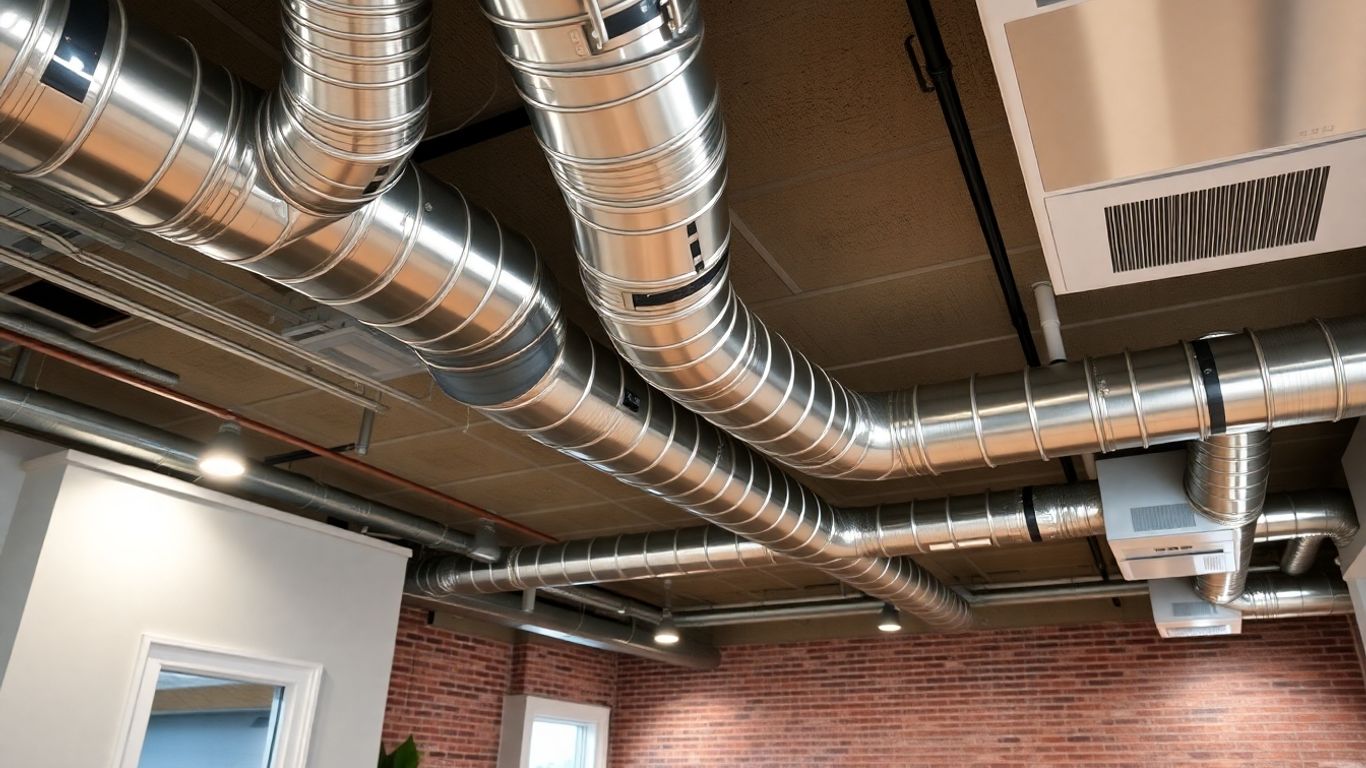
Getting the duct size right isn’t just about doing some math and calling it a day. There are several things we need to think about before even touching a calculator. If we don’t consider all of these, the system just won’t work as expected.
Home Layout and Room Size Considerations
The way a home’s set up really guides how we size the ducts. Not all rooms need the same amount of air, and different shapes and sizes make the job more complicated. Here’s what usually factors in:
- Total square footage of each room
- Ceiling heights (taller rooms might need more air)
- Number and placement of doors and windows
- Where the ducts will need to go (some rooms are just trickier than others)
We can’t forget about rooms that get more sun, either. These spaces often need bigger ducts or more air to stay comfortable.
Sometimes, it’s surprising how much a small room in direct sunlight can mess with overall comfort if we size things wrong.
Role of HVAC Equipment Capacity
The capacity of the HVAC unit decides the total air it can push, and that tells us how much duct space we need overall. If the equipment is sized too small or too big, the ducts won’t match up well. We have to pay attention to:
- Output of the furnace or air conditioner (measured in BTUs or tons)
- Total air volume the system’s blower can handle (CFM)
- Type of HVAC system (split systems, packaged units, heat pumps, etc.)
- Efficiency rating of the equipment (higher SEER or AFUE ratings can change the airflow required)
A quick comparison of HVAC unit output and duct size:
| HVAC Output (Tons) | Recommended Duct Diameter (Main Trunk, inches) |
|---|---|
| 2 | 14–16 |
| 3 | 16–18 |
| 4 | 18–20 |
Not every home is the same, and sometimes we have to adjust based on unique equipment or odd-shaped rooms. But at the core, these factors are what we keep in mind to be sure the air gets where it needs to go, at the right speed, and without wasting energy.
How Proper Duct Sizing Improves Energy Efficiency
When we talk about home comfort, energy bills always follow close behind. Let’s see how getting our HVAC ducts sized correctly can help us use less energy and keep those bills from creeping up on us.
Reducing Energy Waste and Costs
If our ducts are too big or too small, our system ends up working overtime. That eats up more electricity or gas than necessary. Here’s how the right duct sizing helps lower waste:
- Maintains steady room temperatures, so the system doesn’t constantly turn on and off
- Prevents air leaks, reducing wasted conditioned air
- Helps deliver the right amount of airflow to every room
- Minimizes the strain on motors and fans
Proper duct sizing can trim our monthly bills and cut down unnecessary energy use.
When the HVAC system doesn’t have to run longer or harder to make up for poor ductwork, energy savings add up over time. We really notice the difference in both comfort and in our wallets.
Supporting System Longevity and Reliability
An efficiently sized duct network does more than keep us comfortable. It also makes our HVAC units last longer. Why? Because less strain means fewer breakdowns. Here are a few ways the right ducts help:
- Reduces motor wear, since airflow matches system design
- Helps avoid ice buildup or overheating
- Keeps system pressures balanced, lowering the chance of leaks or part failures
| Properly Sized Ducts | Undersized Ducts | Oversized Ducts |
|---|---|---|
| Quiet operation | Louder noises | Inconsistent airflow |
| Optimized airflow | System stress | High energy use |
| Longer equipment life | High repair costs | Hard to balance |
With well-sized ducts, we don’t just improve efficiency—we make the entire system more reliable, which means fewer surprises and repairs down the road.
Wrapping Up: Why Duct Sizing Matters
So, after looking at all the ways duct size can affect our homes, it’s pretty clear that getting it right is worth the effort. When our ducts are the right size, the air flows better, rooms feel more comfortable, and we don’t have to worry as much about high energy bills. We might not think about our HVAC system much, but when something’s off, we notice. If we ever decide to upgrade or fix our system, it’s a good idea to pay attention to the ductwork, too. In the end, a little planning goes a long way toward keeping our homes comfortable all year round.
Frequently Asked Questions
Why is the right duct size important for our home’s comfort?
The correct duct size helps move air evenly through every room. If our ducts are too small or too big, some rooms might feel too hot or too cold. Proper sizing makes sure every part of our house stays comfortable.
How does duct size affect our energy bills?
If our ducts are not the right size, our HVAC system works harder than it should. This uses more energy and increases our bills. Getting the right duct size helps our system run smoothly and saves us money.
Can the wrong duct size harm our HVAC system?
Yes, if the ducts are not sized right, it can put extra strain on our HVAC system. Over time, this can cause parts to break down faster and lead to more repairs. Proper duct sizing helps our system last longer.
