


As the leaves begin to turn and the air gets a crisp bite, it’s time to think about our home’s heating system. We often forget about our HVAC until it’s too late, and a breakdown in the cold is never fun. Let’s get our systems ready for the upcoming colder months.
Key Takeaways
- Regularly check and change your air filters. This is one of the simplest yet most impactful HVAC maintenance tips we can follow for better air quality and system efficiency.
- Schedule a professional check-up for your heating components before the cold really sets in. A pro can spot small problems before they become big, costly ones.
- Address any little issues you notice now. Fixing minor wear and tear can prevent major breakdowns when you need your heat the most.
Preparing Your HVAC System For Seasonal Transition
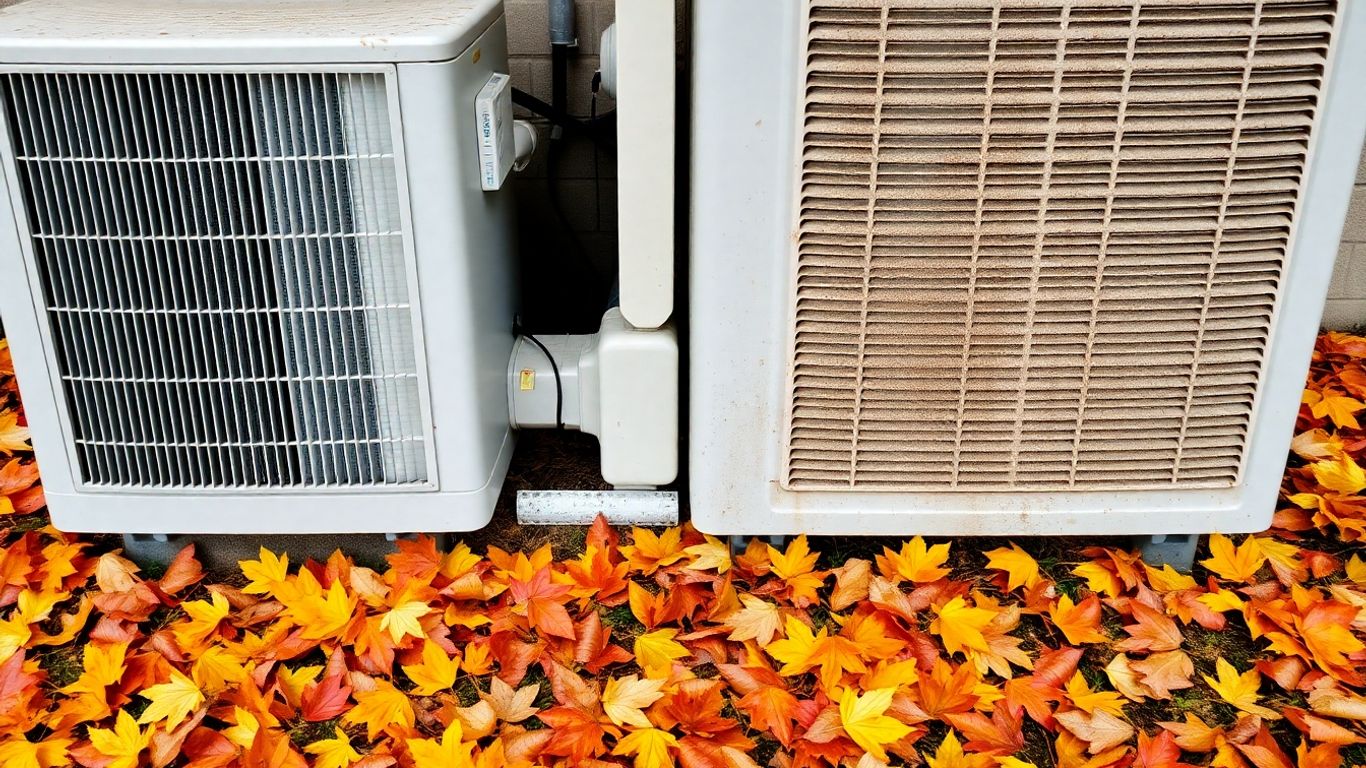
As the weather starts to cool down, it’s time we think about getting our HVAC systems ready for the change. We want to make sure everything runs smoothly when we start relying on our heating more. This transition period is the perfect time for some proactive maintenance. Taking care of your system now can save you a lot of trouble and expense down the road.
Essential HVAC Maintenance Tips For Fall
We should all be doing a few basic things to keep our heating systems in good shape. It’s not overly complicated, and a little effort goes a long way. Here are some things we can focus on:
- Clean or Replace Air Filters: This is probably the most straightforward task. Dirty filters restrict airflow, making your system work harder and less efficiently. We should check them monthly, but definitely before the heating season really kicks in.
- Clear Debris Around Outdoor Units: If you have a heat pump or an AC unit that stays outside, make sure there’s no buildup of leaves, branches, or other yard waste around it. Good airflow is important for these units, even when they’re not actively cooling.
- Check for Obvious Leaks or Damage: Take a quick look at the visible parts of your system. Are there any loose connections, frayed wires, or signs of wear and tear? It’s better to spot these small things early.
We often forget about our HVAC systems until something goes wrong. But just like any other piece of machinery, they need regular attention to keep working right. A little bit of care now means fewer headaches later when the cold really sets in.
Checking Your Air Filters For Optimal Performance
Your air filter is like the lungs of your HVAC system. If they get clogged up, everything suffers. We need to pay attention to this simple but important part.
- Filter Material and MERV Rating: Different filters are made of different stuff and have different MERV ratings, which tells you how well they capture particles. For general use, a MERV rating between 8 and 13 is usually a good balance for most homes. Higher MERV ratings can capture more, but they can also restrict airflow more, which might not be good for older systems.
- Replacement Schedule: While we should check filters monthly, the actual replacement time depends on the filter type and your home environment. If you have pets, allergies, or live in a dusty area, you might need to change them more often than the typical 3-month recommendation. Look at the filter itself – if it looks visibly dirty and grey, it’s time for a new one.
- Proper Fit: Make sure the filter you buy is the correct size for your system. A filter that’s too small won’t seal properly, allowing air to bypass it, and unfiltered air will circulate through your home. This defeats the purpose of having a filter in the first place.
Ensuring Efficient Heating Performance
As the temperatures start to drop, we need to make sure our heating systems are ready to go. It’s not just about comfort; it’s about keeping our energy bills from going through the roof. A well-maintained heating system works better and lasts longer.
Professional Inspection Of Your Heating Components
We really should have a professional take a look at the main parts of our heating setup. They know what to look for, things we might miss. This includes checking the heat exchanger for any cracks – a serious safety concern. They’ll also inspect the burner assembly to make sure it’s burning fuel cleanly and efficiently. Don’t forget the blower motor; it needs to be clean and running smoothly to push warm air through our ducts. A quick check now can prevent a major breakdown later.
Addressing Potential Issues Before Winter Arrives
Before the really cold weather hits, we need to sort out any small problems we find. This might mean:
- Cleaning or replacing the ignition system if it’s acting up.
- Checking the thermostat to make sure it’s accurate and responsive.
- Inspecting all ductwork for leaks. Even small leaks can waste a lot of heated air.
- Testing the safety controls, like limit switches and flame sensors.
We want to catch any little quirks or noises our furnace might be making. Ignoring them is like hoping a small leak in your roof will just fix itself – it usually doesn’t work out that way. Getting these things sorted now means we won’t be caught off guard when we need heat the most.
It’s also a good idea to look at our ventilation system. Blocked vents or dirty filters in the return air can make our furnace work harder than it needs to. We should clean out any debris around the outdoor unit if we have a heat pump, too. Making sure everything has good airflow is key to getting the most heat out of our system.
Wrapping Up: Get Your Cooling System Ready
So, as the leaves start to turn and the air gets a bit crisper, we’ve looked at why getting our cooling systems checked before winter really matters. It’s not just about avoiding a breakdown when it’s cold out, though that’s a big part of it. Taking a little time now can save us a lot of headaches and money down the road. We can think about it like getting our cars ready for winter – a bit of prep work makes everything run smoother. Let’s make sure our systems are in good shape so we can stay warm and comfortable when the cold weather truly arrives. It’s a good idea to get this done before the really busy season hits.
Frequently Asked Questions
What basic checks should we perform on our cooling system before we stop using it for the season?
Before we put our cooling system away for the fall, we ought to perform a few simple checks. This includes making sure the outdoor unit is clear of any leaves or debris that might have accumulated. We should also give the indoor vents a good dusting. It’s also a smart move to check the air filter; if it looks dirty, we should swap it out for a new one to ensure clean air when we turn the system back on.
When is the best time to schedule a professional check-up for our heating system?
The ideal time to schedule a professional check-up for our heating system is before the really cold weather hits. We usually aim for early fall, perhaps September or October. This gives technicians plenty of time to find and fix any problems before we desperately need the heat. Booking early also helps us avoid the rush and potentially get a better appointment time.
What are some common problems we might encounter with our heating system that we should look out for?
We should keep an eye out for a few common issues with our heating system. Sometimes, thermostats can stop working correctly, leading to uneven temperatures. We might also notice strange noises coming from the unit, which could signal a need for lubrication or a part that’s wearing out. Clogged filters are another frequent culprit, reducing airflow and making the system work harder than it needs to. It’s always best to address these small signs early on.
