


As the temperatures start to drop, we need to get our heating systems ready. It’s that time of year when we think about keeping our homes warm and comfortable. Making sure our HVAC system is in good shape before winter really hits can save us a lot of trouble. We’ve put together some steps to help with your winter hvac maintenance.
Key Takeaways
- Regularly check and change your air filters. Dirty filters make your system work harder.
- Think about getting a professional check-up for your HVAC system before the cold sets in.
- Make sure your thermostat is set correctly and that vents are not blocked so air can move freely.
Essential Winter HVAC Maintenance Checklist
Before the really cold weather hits, we should take a look at our heating systems. It’s easy to forget about them until they’re working overtime, and then it’s often too late. A little bit of attention now can save us a lot of trouble later.
Inspect and Replace Air Filters
This is probably the simplest thing we can do, but it makes a big difference. A dirty air filter restricts airflow, making your furnace work harder than it needs to. This uses more energy and can lead to parts wearing out faster. We should check our filters monthly, especially during heavy use seasons like winter.
- Look at the filter: Hold it up to a light. If you can’t see light through it, it’s time for a new one.
- Note the size: Filters come in many sizes. Make sure you know the correct dimensions for your system.
- Replacement schedule: For most homes, replacing the filter every 1-3 months is a good idea. If you have pets or allergies, you might need to do it more often.
A clogged filter doesn’t just make your system less efficient; it can also cause dust and allergens to build up in your home, affecting air quality. It’s a win-win to keep it clean.
Schedule Professional Tune-Ups
While we can handle the filters ourselves, some things are best left to the pros. Getting a professional to look at your HVAC system before winter is a smart move. They have the tools and knowledge to spot problems we might miss.
Here’s what a tune-up typically covers:
- System check: They’ll inspect all the main components, like the heat exchanger, blower motor, and ignition system, to make sure everything is running right.
- Cleaning: They’ll clean out dust and debris that can build up over time, which helps with efficiency and prevents issues.
- Safety checks: They’ll test safety controls and look for any potential hazards, like gas leaks or carbon monoxide issues.
Booking this service in the fall is ideal. This way, if any repairs are needed, there’s usually less of a wait time before the winter rush really kicks in. It gives us peace of mind knowing our heating is ready for whatever the season throws at us.
Preparing Your HVAC for Colder Temperatures
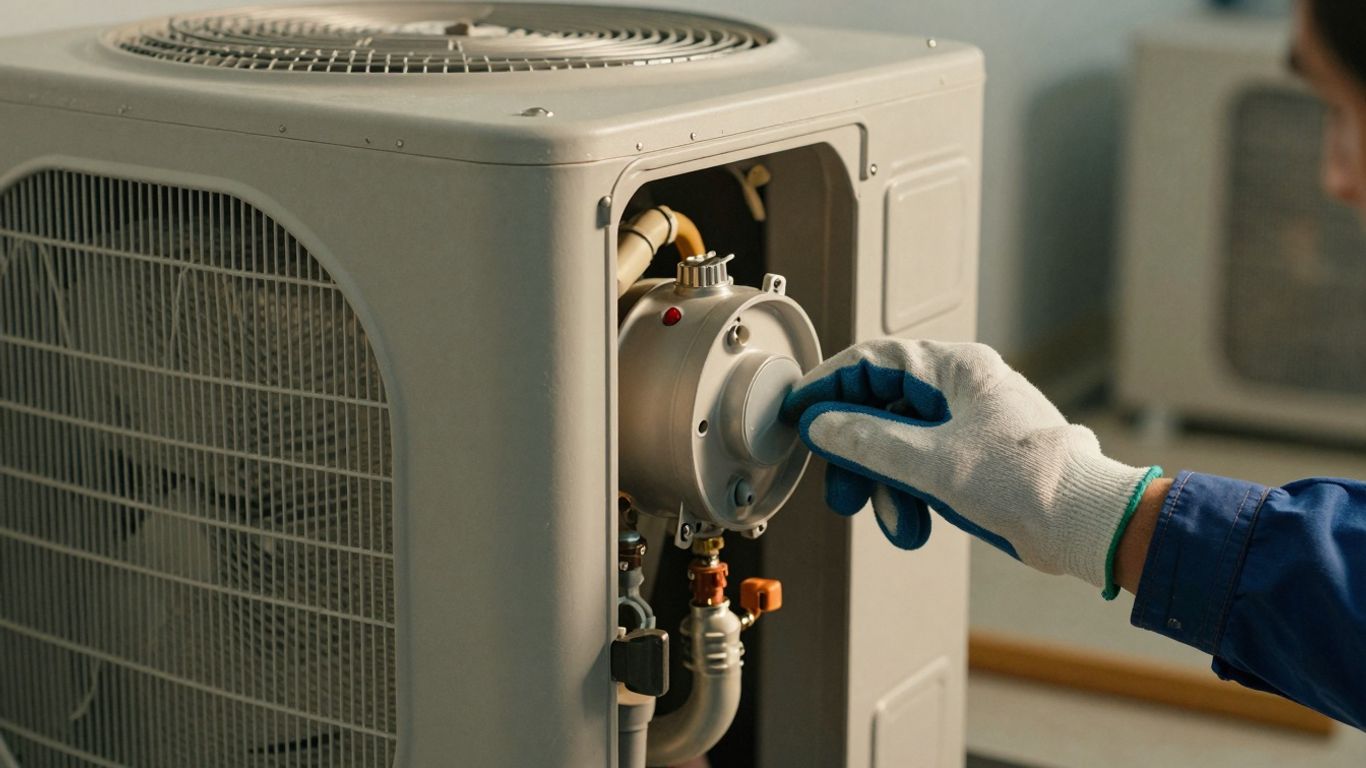
As the weather turns chilly, we need to make sure our heating systems are ready to go. It’s not just about turning up the thermostat; there are a few things we can do to help our HVAC units work efficiently and keep our homes warm.
Check Your Thermostat Settings
Your thermostat is the brain of your heating system. Making sure it’s set correctly can save energy and keep you comfortable. We should look at the programming if you have a programmable thermostat. Setting it to lower the temperature when we’re asleep or away can make a real difference in our heating bills. For example, we might set it back 7-10 degrees Fahrenheit for about 8 hours a day. If you have a smart thermostat, check its settings through the app. Many can learn our habits and adjust automatically, but it’s good to give them a quick look-over now and then.
It’s easy to forget about thermostat settings once they’re programmed, but a quick review before winter really hits can prevent unnecessary energy use and keep our homes at a comfortable temperature without us even thinking about it.
Ensure Proper Airflow and Vents
Good airflow is key for any heating system to work right. We need to make sure that the warm air can get where it needs to go. This means checking that our vents and registers aren’t blocked by furniture, rugs, or anything else. Sometimes, we might even close vents in rooms we don’t use much, but this can actually strain the system. It’s better to keep most of them open.
Here’s a quick rundown of what to check:
- Clear Obstructions: Walk around your house and look at every vent. Move any items that are in front of them. Even a small toy can affect airflow.
- Check for Damage: Look for any vents that might be bent or damaged. If you see any, it might be time to get them fixed.
- Listen for Airflow: Turn on your heat and go to different rooms. Can you feel warm air coming out of the vents? If a vent seems weak, there might be a bigger issue, like a blockage in the ductwork or a problem with the fan.
- Clean Registers: Dust and debris can build up on vent covers. A quick wipe-down can help air move more freely.
Wrapping Up
So, we’ve gone over a few things to get your heating system ready for the cold months. It might seem like a lot, but taking these steps now can save you headaches later. Think of it like getting your car ready for a long trip; you check the tires, the oil, and all that. Doing a little bit of work on your HVAC system now means you’re more likely to stay warm and comfortable when the snow starts falling. If anything feels too tricky, don’t hesitate to call in a professional. They’ve seen it all and can get things sorted quickly. Here’s to a cozy winter!
Frequently Asked Questions
How often should we change our air filters?
We recommend checking your air filters monthly. If they look dirty, it’s time for a change. For most homes, replacing them every one to three months is a good rule of thumb to keep your system running smoothly and the air clean.
Is it really necessary to get a professional to check our heating system before winter?
Yes, it’s a very smart idea. A professional check-up, often called a tune-up, helps catch small problems before they become big, expensive ones. They can make sure your furnace or heat pump is ready to handle the cold and is working safely and efficiently.
What can we do if our house doesn’t feel warm enough, even when the heat is on?
First, we should check that all the vents and registers in our home are open and not blocked by furniture or curtains. Good airflow is key! If that doesn’t help, and you’ve already changed the filter, it might be time to call a professional to investigate further. There could be an issue with the system itself.
