


Living in a mountain cabin near Basye offers a unique lifestyle, but keeping it comfortable year-round can be a challenge. Traditional heating and cooling systems might not be the best fit, especially in more remote locations. That’s where ductless mini split units come into play. We’ve been looking into how these systems can be a smart choice for our mountain homes, providing consistent temperatures without the hassle of extensive ductwork. Let’s explore what makes them a good option for us.
Key Takeaways
- When picking ductless mini split units for your cabin, think about how much heating and cooling you actually need. This helps you choose the right size unit so it works well without wasting energy.
- Look for features like good energy ratings and the ability to control different rooms separately. This means you can save money on your power bill and make sure every part of your cabin is just the right temperature.
- Ductless mini split systems are a practical way to heat and cool cabins in mountain areas. They use less power and let you set different temperatures in different rooms, making your cabin more comfortable and less expensive to run.
Choosing The Right Ductless Mini Split Units For Your Mountain Cabin
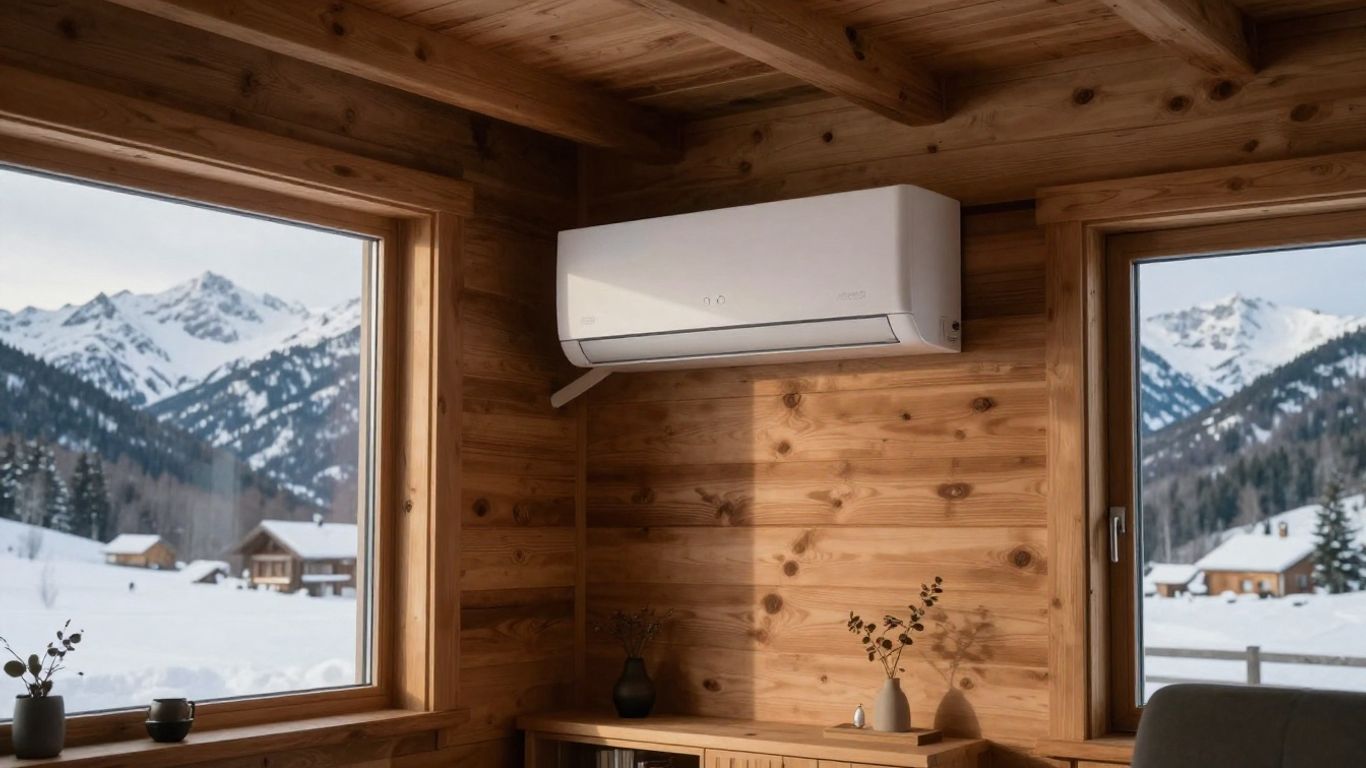
When we think about keeping our mountain cabins comfortable year-round, especially here in Basye, picking the right heating and cooling system is a big deal. We’re looking at ductless mini splits, and for good reason. They’re a smart choice for places that might not have existing ductwork or are a bit off the beaten path. Let’s break down how we figure out which units will work best for our cabins.
Understanding Your Cabin’s Heating And Cooling Needs
First off, we need to get real about what our cabin actually needs. It’s not just about picking the biggest or most powerful unit. We have to consider a few things. How big is the space we need to heat or cool? A small studio cabin will need something different than a multi-room getaway. We also have to think about how well the cabin is insulated. Older cabins, or those built with less insulation, will lose heat in the winter and gain heat in the summer faster than a well-sealed modern build. This means we might need a unit with a bit more oomph, or perhaps multiple smaller units, to keep things cozy.
Another factor is how the cabin is used. Is it a weekend spot, or are we there for weeks at a time? If it’s just for occasional use, we might prioritize quick heating or cooling when we arrive. If we’re there longer, consistent comfort becomes more important. We also need to think about the climate here in Basye. We get cold winters and warm summers, so the system needs to handle both extremes effectively. We should really look at the BTU (British Thermal Unit) ratings for the units we’re considering. This number tells us how much heating or cooling power a unit has. A general rule of thumb is that larger spaces and poorly insulated cabins need higher BTU ratings.
Here’s a quick way to think about sizing:
- Small Room (e.g., bedroom, small studio): 6,000 – 12,000 BTU
- Medium Room (e.g., living area): 12,000 – 18,000 BTU
- Large Room or Open Plan: 18,000 – 24,000+ BTU
Remember, these are just starting points. It’s always best to consult with a professional who can assess your specific cabin.
Key Features To Look For In Ductless Mini Split Units
Once we have a handle on our needs, we can start looking at the actual units. There are a bunch of features that can make a big difference, especially for a mountain cabin.
- Cold Climate Performance: This is a big one for us. We need a unit that can still heat effectively even when the outside temperature drops way below freezing. Look for models specifically designed for cold climates; they often have better performance in low temperatures.
- Energy Efficiency Ratings (SEER/HSPF): We want to save money on our energy bills, right? Higher SEER (Seasonal Energy Efficiency Ratio) for cooling and HSPF (Heating Seasonal Performance Factor) for heating mean the unit uses less electricity to do its job. This is especially important for remote cabins where energy costs can add up.
- Inverter Technology: Most modern mini splits have this. It means the compressor can adjust its speed instead of just turning on and off. This leads to more stable temperatures, quieter operation, and better energy savings.
- Dehumidification Mode: Summers can get sticky, even in the mountains. A good dehumidification mode can make a huge difference in comfort without drastically lowering the temperature.
- Air Filtration: Cabin air can get dusty, especially with wood stoves or if the cabin is closed up for a while. Look for units with good filters to help keep the air cleaner.
When we’re choosing a mini split, it’s not just about the upfront cost. We need to think about how much it will cost to run over the years, how well it will keep us comfortable in all kinds of weather, and how reliable it is. A slightly more expensive unit that’s more efficient and performs better in the cold might save us money and headaches in the long run.
Don’t forget to check the warranty offered by the manufacturer. A good warranty can give us peace of mind, knowing that if something goes wrong, we’re covered.
Benefits Of Ductless Mini Split Systems In Basye Mountain Environments
Living in a mountain cabin near Basye has its perks, but keeping it comfortable year-round can be a challenge. Traditional heating and cooling systems often struggle with the unique demands of these remote locations. That’s where ductless mini splits really shine. We’ve found them to be a game-changer for cabin owners.
Energy Efficiency For Remote Locations
One of the biggest advantages we see is how much energy these systems save, especially when you’re a bit off the beaten path. Running power lines or fuel delivery can be expensive and complicated in mountainous areas. Mini splits don’t need bulky ductwork, which means less energy loss through leaks or poorly insulated spaces. This efficiency translates directly into lower utility bills, which is always a welcome thing when you’re managing a property that might not be occupied full-time.
We’ve seen significant reductions in energy consumption compared to older systems. For instance, a cabin that used to guzzle electricity for heating might now use a fraction of that with a properly sized mini split. It’s not just about saving money; it’s about making our mountain retreats more sustainable.
Zoning Capabilities For Comfort And Savings
Another fantastic feature is the zoning capability. Instead of heating or cooling the entire cabin all the time, even the parts you aren’t using, mini splits let you control different areas independently. You can set one zone to be warmer for the living room while keeping a guest bedroom cooler, or even off entirely when no one is there. This level of control is perfect for cabins that see varied use.
Think about it: you’re up for a weekend, but the extra bedrooms are empty. Why waste energy heating or cooling them? With a mini split system, you can adjust the temperature in each zone as needed. This not only boosts comfort but also cuts down on wasted energy, saving us more money.
Here’s a quick look at how zoning can help:
- Main Living Area: Keep this comfortable for when you’re actively using it.
- Bedrooms: Lower the temperature when not in use, or set to a minimal level for overnight comfort.
- Storage Areas/Unused Rooms: Turn these zones off completely to save maximum energy.
Managing the climate in a mountain cabin presents unique hurdles. Ductless mini splits offer a smart, adaptable solution that addresses these challenges head-on, providing both comfort and cost savings without the hassle of traditional systems.
Wrapping Up Our Mini-Split Chat
So, we’ve talked a lot about mini-splits for cabins up here in Basye. It seems pretty clear that these systems can really make a difference when it comes to staying comfortable, whether it’s a chilly winter night or a warm summer afternoon. We looked at how they work and why they might be a good fit for our mountain homes, especially since they don’t need a lot of ductwork. For anyone thinking about upgrading their heating and cooling, or even setting up a new system, a mini-split is definitely worth considering. It’s about making our mountain getaways truly enjoyable, no matter the season.
Frequently Asked Questions
How do we figure out which mini split is best for our cabin?
To pick the right system, we first need to think about how big our cabin is and how much heat or cool air we’ll need. We also should look at how well our cabin is insulated and if there are any tricky spots to heat or cool. Then, we’ll check for features like how quiet the unit is, how good it is at saving energy, and if it can handle the cold mountain weather we sometimes get.
Are mini splits a good choice for saving money on energy bills in Basye?
Yes, they really are! Mini splits are known for being super energy-efficient. This means they don’t use a lot of electricity to keep our cabin comfy. For places like mountain cabins, where getting power might be a concern or bills can add up, this is a big plus. We can save money and still stay warm in the winter and cool in the summer.
Can we control the temperature in different parts of our cabin with a mini split?
Absolutely! One of the coolest things about mini splits is their zoning ability. This means we can set different temperatures for different rooms or areas. If we’re only using one part of the cabin, we can turn down the heat or AC in the other parts. This helps us save even more energy and makes sure everyone is comfortable exactly where they are.
