


As winter approaches and the temperatures drop, we want to make sure our homes stay warm and comfortable. Preparing your HVAC system for cold weather is a smart move. A little attention now can help avoid big problems later, like a chilly house or a costly repair. We’ll go over some simple steps we can take to get our heating ready for the cold snap.
Key Takeaways
- Check your furnace to make sure it’s running well before the really cold days hit.
- Set your thermostat smartly to save energy and keep costs down.
- Keep air filters clean and make sure nothing is blocking your system’s airflow.
Essential Cold Weather HVAC Preparation Steps
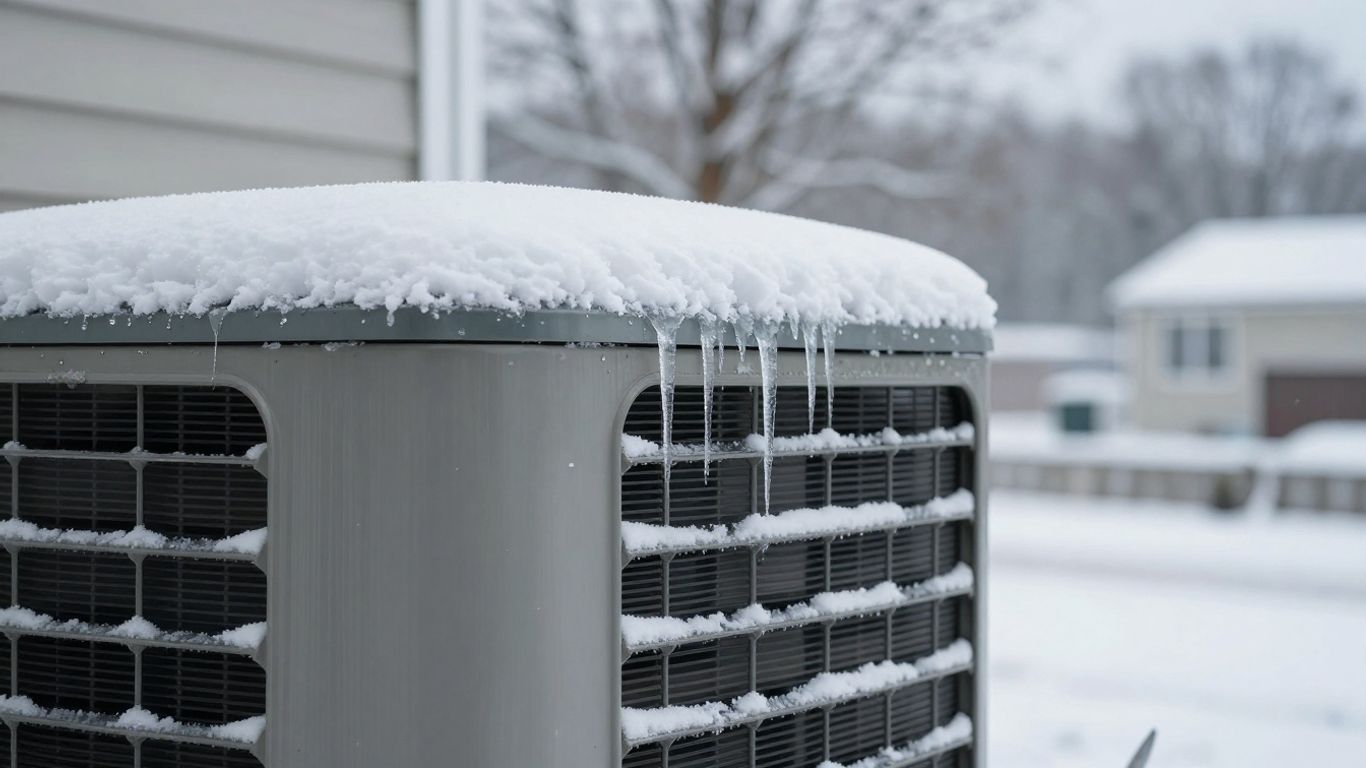
As the temperatures start to drop, we need to make sure our heating systems are ready for the challenge. A little bit of attention now can save us from a lot of trouble later. Let’s get our furnaces in good shape and our thermostats set right.
Inspect Your Furnace For Optimal Performance
Before the really cold weather hits, it’s a good idea to give your furnace a once-over. We want to catch any small issues before they become big problems. A well-maintained furnace runs more efficiently and is less likely to break down when we need it most.
Here are a few things we can check:
- Listen for strange noises: Any banging, rattling, or squealing could mean something needs attention. Don’t ignore these sounds.
- Check the pilot light (if applicable): It should be a steady blue flame. A yellow or flickering flame might indicate a problem.
- Look for visible damage: Check the unit for any signs of rust, corrosion, or loose parts.
- Consider a professional tune-up: If we’re not comfortable doing these checks ourselves, or if we find something concerning, calling a technician is the best route. They have the tools and knowledge to do a thorough inspection.
Taking the time for these checks helps us avoid uncomfortable situations and potentially high repair bills down the line. It’s about being proactive.
Check Your Thermostat Settings For Efficiency
Our thermostat is the brain of our heating system, and how we use it makes a big difference in both comfort and cost. We want to set it up for efficiency.
- Programmable Thermostats: If we have one, now’s the time to program it. We can set it to lower the temperature when we’re asleep or away from home, and then have it warm up before we wake up or return. This saves energy without sacrificing comfort.
- Smart Thermostats: These can learn our habits and adjust automatically. We should make sure it’s connected to Wi-Fi and that our settings are optimized. Some even let us control them remotely, which is handy.
- Manual Thermostats: Even with a basic thermostat, we can be mindful of our settings. Avoid constantly adjusting it up and down. Find a comfortable temperature and try to stick with it. Every degree we lower it when we’re not home can add up to savings.
We should aim for a temperature that keeps us comfortable without running the system unnecessarily. A few degrees lower when we’re out can make a noticeable difference on our energy bills.
Protecting Your HVAC System During Freezing Temperatures
When the mercury drops and a cold snap is on its way, we need to give our heating systems a little extra attention. It’s not just about keeping our homes warm; it’s about making sure our HVAC equipment can handle the strain without running into trouble. We’ve already talked about getting the furnace checked and setting the thermostat right, but there are a couple more things we should focus on to protect the system itself.
Ensure Proper Airflow With Clean Filters
Think of your air filter like the lungs of your HVAC system. If they get clogged up with dust and debris, it makes it much harder for air to move through. This isn’t just bad for air quality; it puts a real strain on your furnace’s blower motor. When the motor has to work overtime to pull air through a dirty filter, it can overheat and even fail, especially when it’s already working hard to push warm air through your house during cold weather. Changing your air filter regularly is one of the simplest yet most effective ways to protect your system. We recommend checking it monthly, especially during peak heating season, and replacing it when it looks dirty. A clean filter means your system can breathe easy and operate more efficiently.
Prevent Frozen Condensate Lines
This might sound a bit odd, but even heating systems have condensate lines, particularly if you have a high-efficiency furnace. These lines carry away moisture that’s a byproduct of the heating process. In freezing temperatures, if this line isn’t properly insulated or if it runs outside without protection, the water inside can freeze. When that happens, the line gets blocked, and your furnace will likely shut down to prevent damage. You might see an error code on the unit, or it might just stop producing heat altogether.
Here’s what we can do:
- Locate the condensate line: It’s usually a PVC pipe running from your furnace to a drain or outside.
- Insulate exposed sections: If any part of the line is exposed to cold air, especially where it exits your home, wrap it with foam pipe insulation. You can find this at most hardware stores.
- Check for blockages: Before the really cold weather hits, make sure the line isn’t already clogged. You can sometimes carefully clear minor blockages with a wet/dry vacuum.
- Consider a condensate line heater: For lines that are particularly vulnerable to freezing, a small electric heater designed for this purpose can be installed.
Taking these steps can save us from a chilly surprise and a costly repair call. It’s all about proactive care for our heating equipment when it needs it most. We want to keep things running smoothly, not just for comfort, but to avoid unexpected breakdowns.
If you’re unsure about any of these steps, especially dealing with the condensate line, it’s always best to call a professional. They can inspect your system and make sure everything is properly protected before the temperatures really plummet.
Wrapping Up
So, we’ve gone over a few things to get your heating system ready for the cold. Taking these steps now can save you a lot of trouble when the temperatures really drop. It’s not about being a pro, just about doing a few smart checks. We think it’s worth the small effort to keep things running smoothly and stay warm. If anything seems too tricky, remember there are always folks who can help out. Stay warm out there!
Frequently Asked Questions
Why is it important to check our furnace before it gets really cold?
We should give our furnace a good look-over before the big chill hits. This way, we can make sure it’s working its best and won’t quit on us when we need it most. A quick check can catch small problems before they become big, expensive headaches.
What’s the best way to make sure our heating system runs efficiently?
To keep our heating system running smart and saving energy, we ought to check our thermostat settings. Setting it a little lower when we’re away or asleep can make a big difference in our energy bills. We also need to make sure our air filters are clean so the air can flow freely.
What happens if our heating system’s air filters get dirty?
When our air filters get clogged with dust and dirt, it makes it harder for our heating system to push warm air through the house. This means the system has to work overtime, using more energy and potentially getting worn out faster. Clean filters help everything run smoothly.
