


As winter approaches, we want to make sure our homes stay warm and comfortable. A well-functioning heating system is key to this. We’ve put together some tips for winter HVAC maintenance to help you get ready for the colder months and any unexpected weather events. Taking these steps can help prevent problems when you need your system the most.
Key Takeaways
- Regularly check your thermostat settings and ensure your air filter is clean to keep your heating system working right.
- Protect your outside HVAC unit from snow and ice buildup, and check your home for drafts to keep warm air in.
- Proper winter HVAC maintenance helps avoid breakdowns and keeps your home safe and warm during cold weather.
Essential Winter HVAC Maintenance Checks
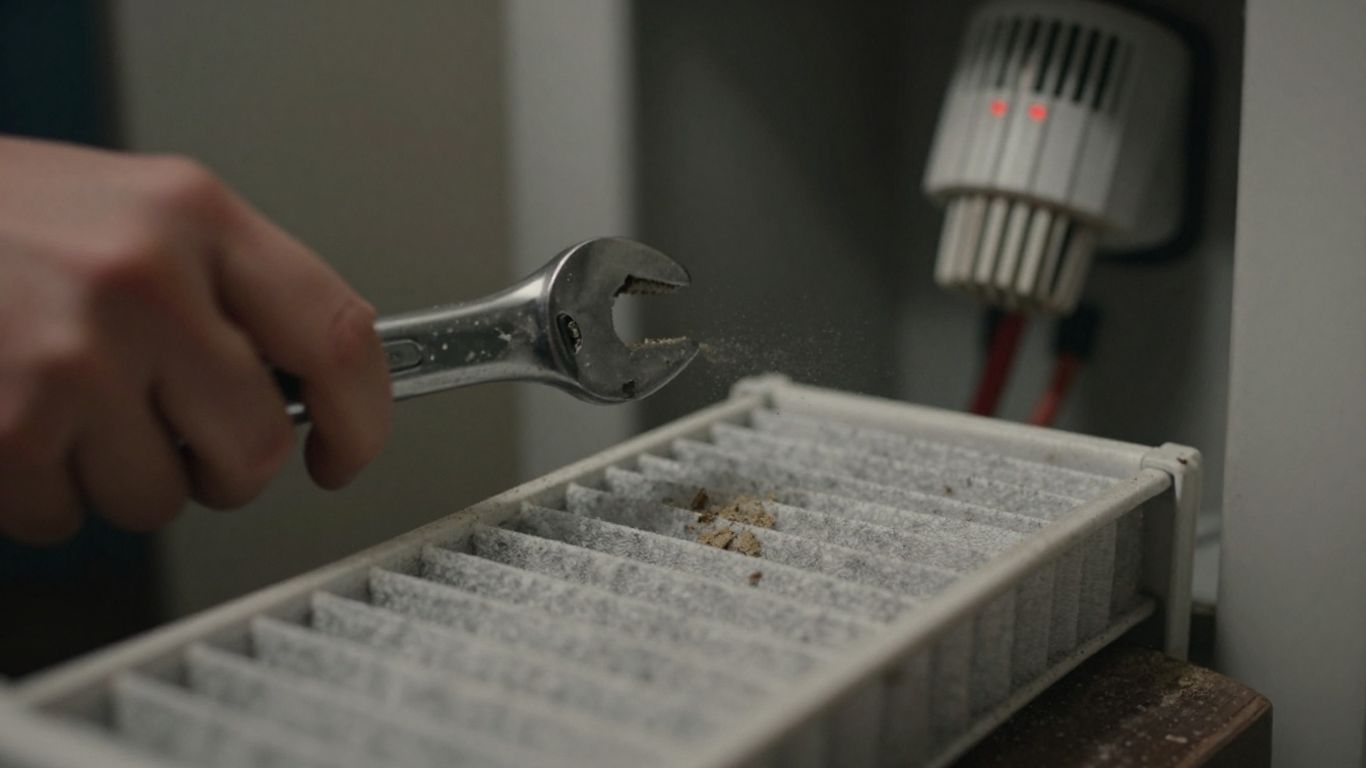
Before the really cold weather hits, we should take a good look at our heating systems. It’s not just about comfort; it’s about making sure our homes stay warm and safe when the temperatures drop. A little bit of checking now can save us a lot of trouble later.
Inspect Your Thermostat Settings
Our thermostat is the brain of our heating system, so we need to make sure it’s working right. First, let’s check the batteries. If they’re low, the thermostat might not be sending the right signals, or it could stop working altogether. We should also look at the programming. Are the schedules set up correctly for when we’re home and when we’re away? Setting it a few degrees lower when we’re out or asleep can save energy without us even noticing. We want to avoid unnecessary heating when we don’t need it. It’s also a good idea to test the system manually. Turn the heat up a bit and make sure the furnace kicks on. Then, turn it down and confirm it shuts off. This simple test tells us if the basic functions are still working.
Ensure Proper Airflow and Filter Replacement
Good airflow is key to our heating system working efficiently. If air can’t move freely, the system has to work harder, which uses more energy and puts more strain on the equipment. The biggest culprit here is usually the air filter. We need to check it regularly, especially before winter really sets in. A dirty filter looks clogged with dust and debris, and it really restricts airflow. We should replace it at least once every three months, but if we have pets or allergies, we might need to do it more often. We can usually find the filter near the furnace or air handler. Just slide out the old one and slide in a new one. It’s a pretty straightforward job.
Here’s a quick guide to filter replacement:
- Locate the filter slot. It’s often a metal or cardboard frame near your furnace.
- Note the size and type of filter currently installed. You’ll need to buy the same kind.
- Gently pull out the old filter, paying attention to the direction of airflow indicated by an arrow on the filter.
- Insert the new filter, making sure the airflow arrow points in the correct direction (usually towards the furnace).
We also want to make sure that vents and registers aren’t blocked. Furniture, rugs, or curtains can get in the way. We should walk around our house and check that all the vents are clear and open. This lets the warm air reach all the rooms it’s supposed to.
Keeping our heating system in good shape before winter means fewer surprises when we need it most. Simple checks like these can make a big difference in keeping our homes warm and our energy bills from getting too high.
Proactive Steps for Winter HVAC Preparedness
Winter can throw some curveballs, and we want our heating systems ready for whatever comes our way. Taking a few extra steps now can save us a lot of trouble when the temperatures really drop.
Protecting Outdoor Units from Snow and Ice
Our outdoor HVAC units, usually the condenser for the air conditioner and sometimes a heat pump, are exposed to the elements. Snow and ice buildup can be a real problem. If the unit gets buried, it can restrict airflow, making the system work harder and potentially causing damage. We need to make sure these units are protected.
- Clear the Area: Before the heavy snow starts, we should clear away any debris, leaves, or branches from around the outdoor unit. This helps with airflow even before snow falls.
- Consider a Cover: For units that are particularly exposed, we might think about a specialized cover. These aren’t airtight; they’re designed to let air escape while keeping snow and ice from piling directly onto the sensitive components. We need to be careful not to use something that completely seals the unit, as that can trap moisture and cause other issues.
- Elevate if Necessary: If our unit sits very low to the ground and we get a lot of snow, we might need to add some sort of platform or risers to keep it above the expected snow line. This is a bit more involved, but it’s a good idea if flooding or deep snow is common in our area.
Checking for Drafts and Insulation
Cold air sneaking into our homes means our heating system has to work overtime to keep things comfortable. Finding and sealing up these drafts is a smart move. It’s not just about comfort; it’s about making our heating system more efficient.
- Window and Door Seals: We should go around all our windows and doors. Feel for any cool air coming in. If we find a spot, we can use weatherstripping or caulk to seal it up. It’s a simple fix that makes a big difference.
- Attic and Basement Insulation: The attic and basement are common places for heat to escape or cold air to enter. We should check the insulation up there. Is it evenly distributed? Are there any bare spots? Adding more insulation, especially in the attic, is one of the most effective ways to keep our homes warmer and reduce heating costs.
- Electrical Outlets and Pipe Penetrations: Don’t forget about the small gaps. Cold air can seep in around electrical outlets on exterior walls or where pipes enter the house. Using foam gaskets behind outlet covers or caulk around pipe entries can stop these little leaks.
Keeping our homes sealed up tight means our heating system doesn’t have to fight against the outside cold as much. This not only saves energy but also helps prevent our furnace or heat pump from being overworked during the coldest months. It’s a win-win for comfort and system longevity.
We should also take a look at our ductwork, especially if it runs through unheated spaces like an attic or crawl space. Leaky ducts can lose a significant amount of heated air before it even reaches our rooms. Sealing these leaks with mastic or specialized tape can improve the efficiency of our entire heating system. It’s a bit of a chore, but it’s worth the effort to keep that warm air where we want it.
Stay Warm and Safe
We’ve gone over a few ways to get our heating systems ready for the cold months. Taking these steps now can save us a lot of trouble when the temperature really drops. Checking filters, insulating pipes, and having a backup plan are good ideas for everyone. It’s better to be prepared than to deal with a broken heater in the middle of a snowstorm. Let’s make sure our homes stay warm and safe this winter.
Frequently Asked Questions
What’s the most important thing we should do to get our heating ready for cold weather?
We really need to make sure our heating system is in good shape before winter hits hard. A key step is to check and clean or replace the air filter. A dirty filter makes the system work harder and can cause problems. Also, we should test our thermostat to confirm it’s working right and set to the temperatures we want.
How can we keep our outside heating unit safe from snow?
Our outdoor unit needs some protection from heavy snow and ice. We should clear away any snow or ice that builds up around it. If we have a cover, we can use that to keep snow from piling directly on top. Making sure snow can’t block the unit is vital for it to run properly.
Are there other ways to make sure our house stays warm if the heating breaks?
Yes, there are! We can look for any gaps or cracks around windows and doors where cold air might get in. Sealing these up with caulk or weatherstripping helps keep the warm air inside. Also, checking that our attic and walls have enough insulation is a big help in preventing heat loss.
