


As the weather starts to warm up, it’s time to think about our home’s heating and cooling system. We want to make sure it’s ready for the change. A little bit of attention now can help prevent bigger problems later. We’ll walk through some simple steps for spring HVAC maintenance that will help keep things running smoothly.
Key Takeaways
- Checking and changing your air filters is a simple but important part of spring HVAC maintenance.
- Giving your outdoor unit a look-over and a clean helps it work better.
- Making sure your thermostat is set right and air can move freely prepares your system for warmer days.
Essential Spring HVAC Maintenance Steps
As the weather starts to warm up, it’s a good time for us to give our home’s HVAC system a little attention. Doing some basic checks now can help prevent bigger problems down the road and make sure our system runs smoothly when we really need it.
Clean Or Replace Air Filters
This is probably the easiest and most important thing we can do. A dirty air filter makes our system work harder than it needs to, which uses more energy and can lead to breakdowns. We should check our filters monthly, but definitely give them a look before the cooling season kicks in.
- Locate your air filter. It’s usually in the return air duct or inside the air handler unit.
- Check the filter. Hold it up to the light. If you can’t see light through it, it’s time for a new one.
- Replace or clean. If it’s a disposable filter, toss the old one and put in a new one of the same size. If it’s a washable filter, follow the manufacturer’s instructions for cleaning.
We want to make sure our air is clean and our system isn’t struggling.
Inspect And Clean Outdoor Unit
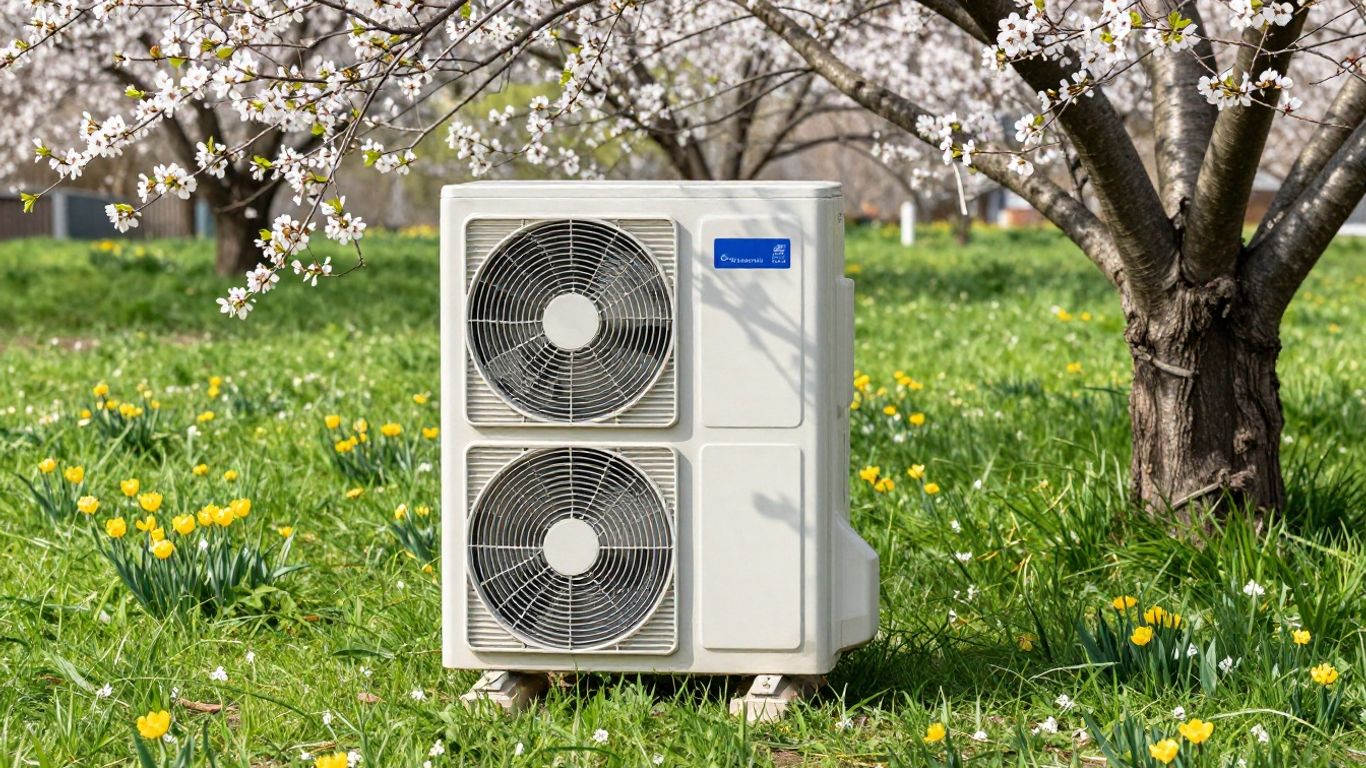
Our outdoor air conditioner unit needs some love too. Over the winter, it can get covered in leaves, dirt, and other debris. This stuff can block airflow, making the unit less efficient.
First, we need to make sure the power to the unit is turned off at the breaker box. Safety first, always.
Then, we can gently clear away any debris from around the unit. We can use a soft brush or a hose to clean the fins on the outside. Just be careful not to bend them.
We should also check that the unit is level and that there’s plenty of space around it for air to circulate freely. Don’t let plants or storage items get too close.
If we notice any bent fins or other damage, it might be a good idea to call a professional to take a look.
Preparing Your HVAC System For Warmer Weather
As the temperatures start to climb, we need to make sure our home’s heating and cooling system is ready for the change. It’s not just about turning up the AC; a little preparation goes a long way in keeping things running smoothly and efficiently.
Check Thermostat Settings
We should take a moment to look at our thermostat. If you have a programmable one, now’s the time to adjust the schedule for spring and summer. This means setting it to keep the house cooler when we’re home and perhaps a bit warmer when we’re out or asleep. Getting these settings right can save us a good amount of energy. For those with smart thermostats, we can often do this remotely or let the system learn our habits. It’s worth checking if there are any software updates available for it too.
Ensure Proper Airflow
Good airflow is key to effective cooling. We need to make sure nothing is blocking the vents or return air grilles inside our homes. Sometimes furniture gets moved around, or boxes get stacked up, and we don’t even realize they’re obstructing the system. We should also check the outdoor unit for any debris that might have accumulated over the winter, like leaves or branches. Clearing this away helps the unit breathe better.
Here are a few things to look for:
- Walk through each room and visually inspect all supply vents. Are they open and clear?
- Check the main return air grille. Is it free of dust buildup and obstructions?
- Go outside and look at the outdoor condenser unit. Remove any leaves, grass clippings, or other yard waste from around the base and sides.
We want to make sure the air can move freely in and out of the system. This helps the air conditioner work less hard, which is good for its lifespan and our energy bills.
Sometimes, we might notice that certain rooms don’t feel as cool as others. This could be a sign of an airflow problem. We should pay attention to how the air feels coming out of the vents. Is it strong and consistent, or weak and patchy? Addressing these airflow issues now can prevent bigger problems down the road.
Wrapping Up Your Spring HVAC Check
So, we’ve gone through the steps for getting your home’s heating and cooling system ready for the warmer weather. Doing these checks ourselves can save us some headaches down the road, and maybe even a bit of money. It’s not about becoming HVAC experts overnight, but about taking a little time to look things over. If anything seems off, or if you’re just not comfortable with a particular step, calling in a professional is always the smart move. They’ve got the tools and the know-how to get it done right. Let’s aim for a comfortable spring and summer in our homes.
Frequently Asked Questions
Why is it important to check our air filters in the spring?
As the weather warms up, we’ll be using our air conditioning more. Dirty air filters can make our system work harder, use more energy, and not cool our homes as well. Changing or cleaning them lets fresh air flow freely, keeping our homes comfortable and our energy bills lower.
What should we look for when checking the outside unit?
We should make sure the outdoor part of our AC unit is clean and clear of any debris like leaves, branches, or grass clippings. Gently clearing away anything blocking the vents helps the unit release heat properly, which is key for efficient cooling. We should also listen for any strange noises that might mean something’s wrong.
How often should we adjust our thermostat settings for spring?
It’s a good idea to check our thermostat settings as the seasons change. When it’s not too hot or too cold, we can set the thermostat to a more energy-saving temperature. We might also want to explore using a programmable or smart thermostat. These can automatically adjust the temperature when we’re away or asleep, saving us energy without us even thinking about it.
