


Spring storms can bring more than just rain and wind; they often bring power surges that can harm our HVAC systems. We’ve noticed that many people aren’t aware of how vulnerable their heating and cooling equipment can be during these weather events. This article aims to shed light on why protecting your HVAC with surge protection is a smart move, especially as the weather gets unpredictable.
Key Takeaways
- Power surges during storms can damage sensitive HVAC components, leading to costly repairs or replacements.
- Standard home electrical protection might not be enough to shield your HVAC system from severe surge events.
- Installing dedicated surge protection for HVAC systems is a practical way to safeguard your equipment against storm-related electrical damage.
Understanding HVAC Vulnerabilities During Storms
The Impact of Power Surges on HVAC Components
When we think about storms, we often focus on wind damage or flooding. But there’s another, less visible threat that can hit our homes hard: power surges. These sudden spikes in electrical voltage can wreak havoc on sensitive electronics, and our HVAC systems are no exception. Think of your HVAC unit like the heart of your home’s comfort system. It has many delicate parts, like circuit boards, capacitors, and motors, that are designed to run on a steady flow of electricity. A power surge, often caused by lightning strikes or even just the grid trying to stabilize after an outage, sends a jolt of too much power through these components. This electrical overload can fry sensitive circuits, damage motors, and lead to costly repairs or even complete system failure. It’s not just direct lightning strikes either; even distant ones can induce surges. We’ve seen systems go down after a storm passed miles away, simply because the electrical grid experienced fluctuations.
Why Standard Protection Isn’t Enough
Many homes have some basic electrical protection, like circuit breakers. While these are good for preventing fires from sustained overloads, they generally don’t react fast enough or offer enough protection against the rapid, high-voltage spikes characteristic of storm-related surges. Circuit breakers are designed to trip when current exceeds a safe level for a certain duration, but a surge is a momentary event. It’s like trying to stop a speeding bullet with a garden hose – it’s just not the right tool for the job. Standard outlets and wiring also offer no real defense against these transient voltage events. We need something more specialized to guard our HVAC equipment. The internal components of modern HVAC systems, especially those with smart thermostats and variable speed drives, are increasingly complex and thus more susceptible to damage from these electrical disturbances. Relying solely on what’s already built into your home’s electrical system is often a gamble we don’t want to take when it comes to our heating and cooling.
The electrical grid is a complex network, and storms can cause significant instability. When power is restored after an outage, or when lightning affects nearby lines, the resulting voltage fluctuations can be extreme. These aren’t just minor inconveniences; they are potent threats to the sophisticated electronics within our HVAC systems.
Implementing Effective Surge Protection for HVAC Systems
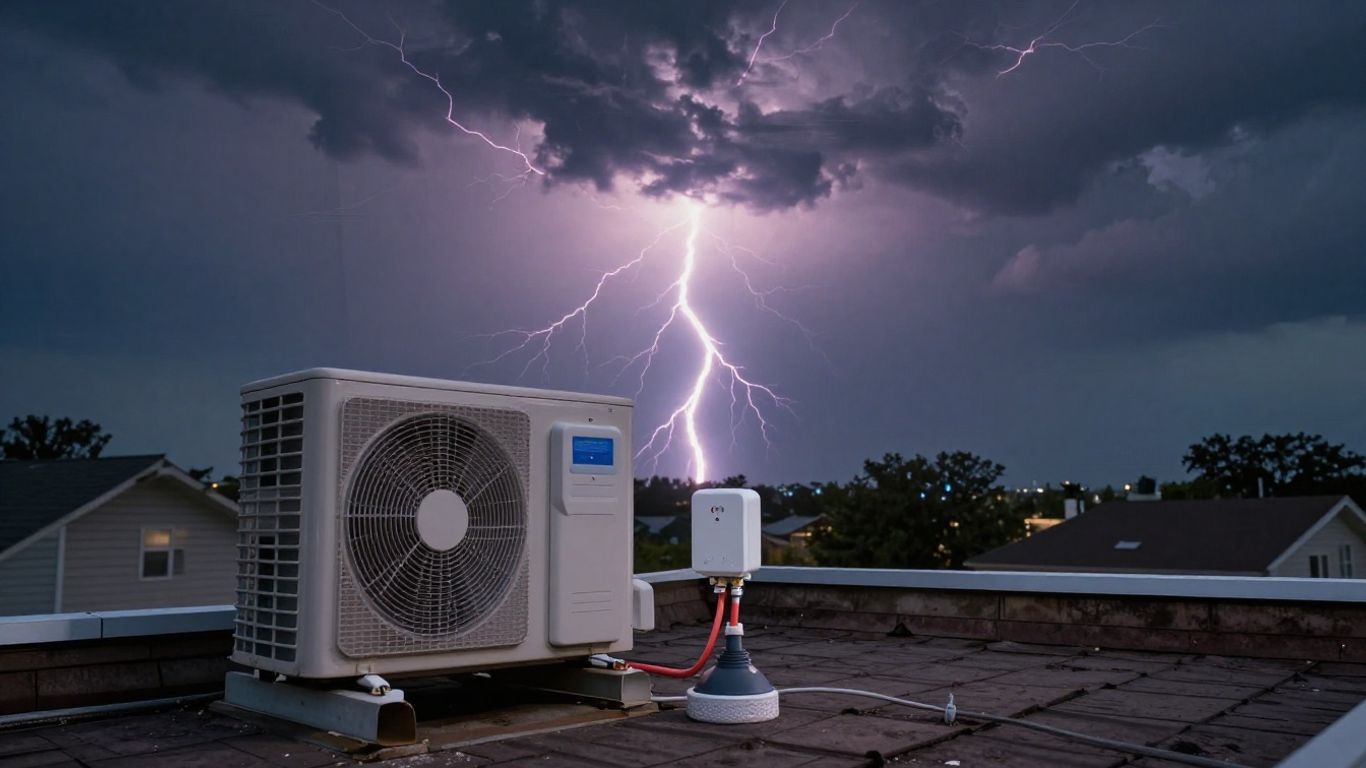
We’ve talked about how vulnerable our HVAC systems can be when storms roll in, especially with power surges. Now, let’s get down to what we can actually do about it. It’s not just about plugging in any old power strip; we need a more robust approach for these expensive and vital pieces of equipment.
Choosing the Right Surge Protector for Your HVAC
When we look for surge protection, we need to think about what’s going to handle the specific demands of an HVAC unit. These systems draw a lot of power, and a basic surge protector you might use for your TV just won’t cut it. We’re talking about devices designed for larger appliances. Look for protectors with a high Joule rating – this tells you how much energy they can absorb before failing. For HVAC, we generally want something with a rating of at least 2000 Joules, but higher is often better, especially if you live in an area prone to frequent or severe storms.
It’s also important to consider the type of surge protector. Whole-house surge protectors are installed at your electrical panel and protect all the circuits in your home, including your HVAC. Point-of-use protectors are plugged in closer to the unit itself. For HVAC, a combination of both can offer the best defense. We also need to check the clamping voltage, which is the voltage level at which the protector starts to divert excess energy. A lower clamping voltage is generally preferred, ideally below 500 volts.
Here’s a quick look at what to consider:
- Joule Rating: Higher is better for absorbing surge energy.
- Clamping Voltage: Lower is better for diverting surges sooner.
- Indicator Lights: Make sure it has a light to show it’s still working.
- Warranty: A good warranty can offer peace of mind.
Professional Installation for Optimal Performance
While some surge protectors are simple plug-and-play devices, installing a whole-house surge protector or even a dedicated point-of-use protector for your HVAC system is often best left to the professionals. Our local electricians have the tools and the know-how to connect these devices safely and correctly to your home’s electrical system. Improper installation can not only render the surge protector ineffective but could also create a fire hazard or damage your HVAC unit.
They can assess your home’s specific electrical setup and recommend the best type and placement of surge protection. This ensures that the protector is properly grounded and integrated into your system, providing the most reliable defense against power surges. It’s an investment, sure, but when you consider the cost of repairing or replacing an HVAC system damaged by a storm, it’s a pretty small price to pay for that protection.
We’ve found that many homeowners overlook the specific needs of their HVAC system when it comes to surge protection. It’s not a one-size-fits-all situation. Taking the time to choose the right equipment and have it installed by a qualified technician makes a significant difference in safeguarding our comfort and our wallets.
Think of it like this: you wouldn’t try to fix a major plumbing leak yourself if you weren’t sure what you were doing, right? The same logic applies here. Getting it done right the first time saves us headaches and potential damage down the road.
Wrapping Up Our Storm Prep
So, we’ve talked about how spring storms can really mess with our HVAC systems. It’s not just about the wind and rain, but those power surges that can fry your equipment. We looked at how surge protectors work and why they’re a good idea for keeping your air conditioner and furnace safe. Taking these steps now means fewer headaches later when the weather gets wild. It’s a simple way to protect a big investment and keep your home comfortable all year round. We hope this helps you feel more prepared for whatever Mother Nature throws our way.
Frequently Asked Questions
What kind of damage can storms cause to our air conditioning and heating system?
When storms roll in, especially those with lightning, they can cause sudden spikes in electricity, called power surges. These surges can travel through the wires and zap sensitive parts of our HVAC system, like the circuit boards or motors. Think of it like a sudden jolt that can fry delicate electronics, leaving our system broken and us without comfortable air.
Is the protection that comes with our HVAC system enough during a storm?
Often, the protection built into our HVAC units isn’t designed to handle the extreme power surges that storms can bring. These built-in safeguards are more for everyday electrical hiccups. A powerful lightning strike or a surge from a power outage can easily overwhelm them, leaving our expensive equipment vulnerable. We really need something extra to keep it safe.
How do we best protect our HVAC system from storm-related electrical problems?
To keep our heating and cooling system safe, we should look into special devices called surge protectors made specifically for HVAC units. These act like a shield, blocking or diverting the extra electricity before it can harm our system. It’s a good idea to have a professional install these, ensuring they are hooked up correctly for the best protection against those dangerous storm surges.
